
← Return to search results
Back to Prindle Institute

On Gene Editing, Disease, and Disability

Photo of a piece of paper showing base pairs

This article has a set of discussion questions tailored for classroom use. Click here to download them. To see a full list of articles with discussion questions and other resources, visit our “Educational Resources” page.


On November 29, 2018, MIT Tech Review reported that at Harvard University’s Stem Cell Institute, “IVF doctor and scientist Werner Neuhausser says he plans to begin using CRISPR, the gene-editing tool, to change the DNA code inside sperm cells.” This is the first stage towards gene editing embryos, which is itself a controversial goal, given the debates that rose in response to scientists in China making edits at more advanced stages in fetal development.

Frequently the concern over editing human genes involves issues of justice, such as developing the unchecked power to produce humanity that would exist solely to service some population – for example, organ farming. The moral standing of clones and worries over the dignity of humanity when such power is developed get worked over whenever a new advancement in gene editing is announced.

The response, or the less controversial use of our growing control over genetic offspring, is the potential to cure diseases and improve the quality of life for a number of people. However, this use of genetic intervention may not be as morally unambiguous as it seems at first glance.

Since advanced testing was developed, the debate about the moral status of selective abortion has been fraught. Setting aside the ethics of abortion itself, would choosing to bring a child into the world that does not have a particular illness, syndrome, or condition rather than one that did be an ethical thing for a parent to do? Ethicists are divided.

Some are concerned with the expressive power of such a decision – does making this selection express prejudice against those with the condition or a judgment about the quality of the life that individuals living with the condition experience?

Others are concerned with the practical implications of many people making selections for children without some conditions. It is impractical to imagine that widespread use of such selection would completely eradicate the conditions, and therefore one worry could be that the individuals with conditions in the hypothetical society where widespread selection takes place will be further stigmatized, invisible, or have fewer resources. Also, the prejudice against conditions that involve disability might lead to selections that result in lack of diversity in the human population based on misunderstandings of quality of life.

Of course, on the other side of these discussions is the intuitive preference or obligation for parents or those in charge of raising people in society to promote health and well-being. Medicine is traditionally thought to aim at treating and preventing conditions that deviate from health and wellness; both are complex concepts, to be sure, but preventing disease or creating a society that suffers less from disease seems to fall within the domain of appropriate medical intervention.

How does this advancement in gene editing relate to the debate in selective birth? The Harvard example seeks to prevent Alzheimer’s disease, taking sperm and intervening to prevent disease. Lack of human diversity, pernicious ablest expressive power, and negative impact on those that suffer from the disease are the main concerns with intervening for the purported sake of health.

The Persistent Problem of the Fair Algorithm

photograph of a keyboard and screen displaying code

This article has a set of discussion questions tailored for classroom use. Click here to download them. To see a full list of articles with discussion questions and other resources, visit our “Educational Resources” page.


At first glance, it might appear that the mechanical procedures we use to accomplish such mundane tasks as loan approval, medical triage, actuarial assessment, and employment screening are innocuous. Designing algorithms to process large chunks of data and transform various individual data points into a single output offers a great power in streamlining necessary but burdensome work. Algorithms advise us about how we should read the data and how we should respond. In some cases, they even decide the matter for us.

It isn’t simply that these automated processes are more efficient than humans at performing these computations (emphasizing the relevant data points, removing statistical outliers, and weighing competing factors). Algorithms also hold the promise of removing human error from the equation. A recent study, for example, has identified a tendency for judges on parole boards to become less and less lenient in their sentencing as the day wears on. By removing extraneous elements like these from the decision-making process, an algorithm might be better positioned to deliver true justice.

Similarly, another study established the general superiority of mechanical prediction to clinical prediction in various settings from medicine to mental health to education. Humans were most notably outperformed when a one-on-one interview was conducted. These findings reinforce the position that algorithms should augment (or perhaps even replace) human decision-making, which is often plagued by prejudice and swayed by sentiment.

But despite their great promise, algorithms carry a number of concerns. Chief among these are problems of bias and transparency. Often seen as free from bias, algorithms stand as neutral arbiters, capable of combating long-standing inequalities such as the gender pay-gap or unequal sentencing for minority offenders. But automated tools can just as easily preserve and fortify existing inequalities when introduced to an already discriminatory system. Algorithms used in assigning bond amounts and sentencing underestimated the risk of white defendants while overestimating that of Black defendants. Popular image-recognition software reflects significant gender bias. Such processes mirror and thus reinforce extant social bias. The algorithm simply tracks, learns, and then reproduces the patterns that it sees.

Bias can be the result of a non-representative sample size that is too small or too homogenous. But bias can also be the consequence of the kind of data that the algorithm draws on to make its inferences. While discrimination laws are designed to restrict the use of protected categories like age, race, or sex, an algorithm might learn to use a proxy, like zip codes, that produces equally skewed outcomes.

Similarly, predictive policing — which uses algorithms to predict where a crime is likely to occur and determine how to best deploy police resources — has been criticized as “enabl[ing], or even justify[ing], a high-tech version of racial profiling.” Predictive policing creates risk profiles for individuals on the basis of age, employment history, and social affiliations, but it also creates risk profiles for locations. Feeding the algorithm information which is itself race- and class-based creates a self-fulfilling prophecy whereby continued investigation of Black citizens in urban areas leads to a disproportionate number of arrests. A related worry is that tying police patrol to areas with the highest incidence of reported crime grants less police protection to neighborhoods with large immigrant populations, as foreign-born citizens and non-US citizens are less likely to report crimes.

These concerns of discrimination and bias are further complicated by issues of transparency. The very function the algorithm was meant to serve — computing multiple variables in a way that surpasses human ability — inhibits oversight. It is the algorithm itself which determines how best to model the data and what weights to attach to which factors. The complexity of the computation as well as the use of unsupervised learning — where the algorithm processes data autonomously, as opposed to receiving labelled inputs from a designer — may mean that the human operator cannot parse the algorithm’s rationale and that it will always remain opaque. Given the impenetrable nature of the decision-mechanism, it will be difficult to determine when predictions objectionably rely on group affiliation to render verdicts and who should be accountable when they do.

Related to these concerns of oversight are questions of justification: What are we owed in terms of an explanation when we are denied bail, declined for a loan, refused admission to a university, or passed over for a job interview? How much should an algorithm’s owner need to be able to say to justify the algorithm’s decision and what do we have a right to know? One suggestion is that individuals are owed “counterfactual explanations” which highlight the relevant data points that led to the determination and offer ways in which one might change the decision. While this justification would offer recourse, it would not reveal the relative weights the algorithm places on the data nor would a justification be offered for which data points an algorithm considers relevant.

These problems concerning discrimination and transparency share a common root. At bottom, there is no mechanical procedure which would generate an objective standard of fairness. Invariably, the determination of that standard will require the deliberate assignation of different weights to competing moral values: What does it mean to treat like cases alike? To what extent should group membership determine one’s treatment? How should we balance public good and individual privacy? Public safety and discrimination? Utility and individual right?

In the end, our use of algorithms cannot sidestep the task of defining fairness. It cannot resolve these difficult questions, and is not a surrogate for public discourse and debate.

Exploring Intellectual Property Rights with Adam Moore

We all interact with intellectual property on a daily basis, whether consciously or not. On this episode, we talk to intellectual property expert and philosopher Adam Moore to learn about some of the most important ethical issues related to intellectual property. Then, independent producer Sandra Bertin brings us the fascinating story of a fight for collective intellectual property rights in Guatemala.

For the episode transcript, download a copy or read it below.

Contact us at examiningethics@gmail.com

Links to people and ideas mentioned in the show

  1. Adam Moore’s body of work on intellectual property
  2. Intellectual property
  3. You only have legal protection over intellectual property that is fixed in physical form
  4. Some justifications for intellectual property:
  5. Common objections to intellectual property:
  6. Some more objections to intellectual property
  7. Copyright Act of 1976 (term of protection)
  8. Independent producer Sandra Bertin
  9. More on the National Movement of Mayan Weavers
  10. More on Angelina Aspuac

Credits

Thanks to Evelyn Brosius for our logo. Music featured in the show:

The Zeppelin” by Blue Dot Sessions

Clips from “A Comic’s Life Radio” (originally aired on KCAA in Loma Linda, CA Friday, January 22, 2016.)

Are We Loose Yet” by Blue Dot Sessions (sections of this song have been looped)

Lakeside Path” by Blue Dot Sessions

Great Great Lengths” by Blue Dot Sessions


“Minibrains” and the Future of Drug Testing

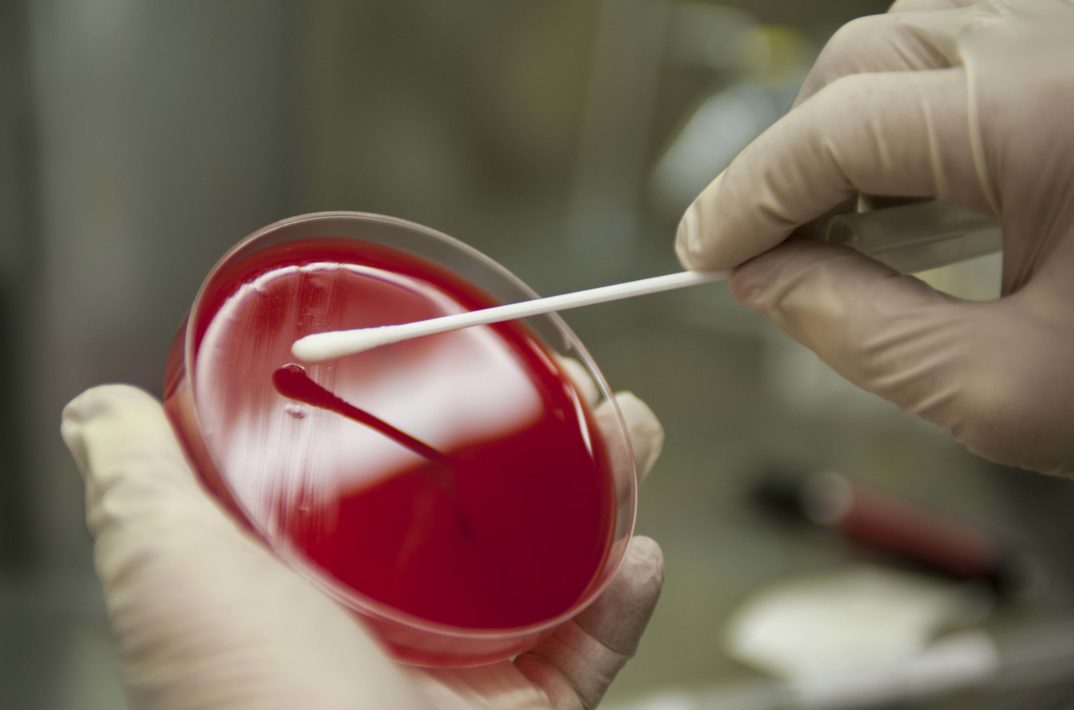
Image of a scientist swabbing a petri dish.

This article has a set of discussion questions tailored for classroom use. Click here to download them. To see a full list of articles with discussion questions and other resources, visit our “Educational Resources” page.


 NPR recently reported on the efforts of scientists who are growing small and “extremely rudimentary versions of an actual human brain” by transforming human skin cells into neural stem cells and letting them grow into structures like those found in the human brain. These tissues are called cerebral organoids but are more popularly known as “minibrains.” While this may all sound like science fiction, their use has already led to new discoveries in the medical sciences.

The impetus for developing cerebral organoids comes from the difficult situation imposed on research into brain diseases. It is difficult to model complex conditions like autism and schizophrenia using the brains of mice and other animals. Yet, there are also obvious ethical obstacles to experimenting on live human subjects. Cerebral organoids provide a way out of this trap because they present models more akin to the human brain. Already, they have led to notable advances. Cerebral organoids were used in research into how the Zika virus disrupts normal brain development. The potential to use cerebral organoids to test future therapies for such conditions as schizophrenia, autism, and Alzheimer’s Disease seems quite promising.

The experimental use of cerebral organoids is still quite new; the first ones were successfully developed in 2013. As such, it is the right time to begin serious reflection on the potential ethical hurdles for research conducted on cerebral organoids. To that end, a group of ethicists, law professors, biologists, and neuroscientists recently published a commentary in Nature on the ethics of minibrains.

The commentary raises many interesting issues. Let us consider just three:

The prospect of conscious cerebral organoids

Thus far, the cerebral organoids experimented upon have been roughly the size of peas. According to the Nature commentary, they lack certain cell types, receive sensory input only in primitive form, and have limited connection between brain regions. Yet, there do not appear to be insurmountable hurdles to advances that will allow us to scale these organoids up into larger and more complex neural structures. As the brain is the seat of consciousness, scaled-up organoids may rise to the level of such sensitivity to external stimuli that it may be proper to ascribe consciousness to them. Conscious organisms sensitive to external stimuli can likely experience negative and positive sensations. Such beings have welfare interests. Whether we had ethical obligations to these organoids prior to the onset of feelings, it would be difficult to deny such obligations to them once they achieve this state. Bioethicists and medical researchers ought to develop principles to govern these obligations. They may be able to model them after our current approaches to research obligations regarding animal test subjects. However, it is likely the biological affinity between cerebral organoids and human beings will require significant departure from the animal test subject model.

Additionally, research into consciousness has not nailed down the neural correlates of consciousness. As such, we may not necessarily know if a particularly advanced cerebral organoid is likely to be conscious. Either we ought to purposefully slow the progress into developing complex cerebral organoids until we understand consciousness better, or we pre-emptively treat organoids as beings deserving moral consideration so that we don’t accidentally mistreat an organoid we incorrectly identify as non-conscious.

Human-animal blurring

Cerebral organoids have also been developed in the brains of other animals. This gives the brain cells a more “physiologically natural” environment. According to the Nature commentary, cerebral organoids have been transplanted into mice and have become vascularized in the process. Such vascularization is an important step in the further development in size and complexity of cerebral organoids.

There appears to be a general aversion to the prospect of transplanting human minibrains into mice. Many perceive the creation of such human-animal hybrids (chimeras) as crossing the inviolable boundary between species.  The transplantation of any cells of one animal, especially those of a human (and even more especially those of the brain cells of a human) may violate this sacred boundary.

An earlier entry on The Prindle Post approached the vexing issues of the creation of human-animal chimeras. It appeared that much of the opposition to chimeras was based in part on an objection to “playing God.” Though some have ridiculed the “playing God” argument as based on “a meaningless, dangerous cliché,” people’s strong intuitions against the blurring of species boundaries ought to influence policies put in place to govern such research. If anything, this will help tamp down a strong public backlash.

Changing definitions of death

Cerebral organoids may also threaten the scientific and legal consensus around defining death as the permanent cessation of organismic functioning and understanding the criterion in humans for this as the cessation of functioning in the whole brain. This consensus itself developed in response to emerging technologies in the 1950’s and 1960’s enabling doctors to maintain the functioning of a person’s cardio-pulmonary system after their brain had ceased functioning. Because of this technological change, the criterion of death could no longer be the stopping of the heart. What if research into cerebral organoids and stem cell biology enables us to restore some functions of the brain to a person already declared brain dead? This undercuts the notion that brain death is permanent and may force us to revisit the consensus on death once again.

Minibrains raise many other ethical issues not considered in this brief post. How should medical researchers obtain consent from the human beings who donate cells that are eventually turned into cerebral organoids? Will cerebral organoids who develop feelings need to be appointed legally empowered guardians to look after their interests? Who is the rightful owner of these minibrains? Let us get in front of these ethical questions before science sets its own path.

Questions on the Ethics of Triage, Posed by a Sub-Saharan Ant

an image of an anthill

This article has a set of discussion questions tailored for classroom use. Click here to download them. To see a full list of articles with discussion questions and other resources, visit our “Educational Resources” page.


In a new study published in Proceedings of the Royal Society B, behavioral ecologist Erik Frank at the University of Lausanne in Switzerland and his colleagues discuss their findings that a species of sub-Saharan ants bring their wounded hive-mates back to the colony after a termite hunt. This practice of not leaving wounded ants behind is noteworthy on its own, but Frank and fellow behavioral ecologists note that the Matabele ants (Megaponera analis) engage in triage judgments to determine which injured ants are worth or possible to save–not all living wounded are brought back to the nest for treatment.

Continue reading “Questions on the Ethics of Triage, Posed by a Sub-Saharan Ant”

Do Terminally Ill Patients Have a “Right to Try” Experimental Drugs?

This article has a set of discussion questions tailored for classroom use. Click here to download them. To see a full list of articles with discussion questions and other resources, visit our “Educational Resources” page.


In his recent State of the Union speech, President Trump urged Congress to pass legislation to give Americans a “right to try” potentially life-saving experimental drugs. He said, “People who are terminally ill should not have to go from country to country to seek a cure — I want to give them a chance right here at home.  It is time for the Congress to give these wonderful Americans the ‘right to try.’” Though only a brief line in a long speech, the ethical implications of the push to expand access to experimental drugs are worth much more attention.

First, let us be clear on what federal “right to try” legislation would entail. Generally, a new drug must go through several phases of clinical research trials before a pharmaceutical company can successfully apply for approval from the Food and Drug Administration to market the drug for use. Advocates of “right to try” legislation want some terminally ill patients to have access to drugs before they go through this rigorous and often protracted process. Recent legislation in California, for example, protects doctors and hospitals from legal action if they prescribe medicine that has passed phase I of clinical trials, but not yet phase II and phase III. Phase I trials test a drug for its safety on human subjects. Phase II tests drugs for effectiveness. Phase III tests drugs to see if they are better than any available alternative treatments.

Thus, “right to try” is a misnomer. First, these experimental drugs are still expected to meet some safety standards before patients can access them. Second, such legislation would not likely mandate that a pharmaceutical company provides access to their experimental drugs. The company can always deny the patient’s request. Third, these laws do not address cost issues. Insurance plans are unlikely to cover any portion of the costs, and pharmaceutical companies are likely to expect the patient to foot the entire bill.

Ethical debate over “right to try” legislation recapitulates a conflict that regularly occurs in American political debate: to what extent does government intervention to protect public welfare by ensuring that drugs are both safe and effective impede the rightful exercise of a patient’s autonomy to choose for herself what risks she is willing to take? Advocates of expanded “right to try” laws view regulatory obstacles set up by the FDA as patronizing hindrances. Lina Clark, the founder of the patient advocacy group HopeNowforALS, put it this way: “The patient community is saying: ‘We are smart, we’re informed, we feel it is our right to try some of these therapies, because we’re going to die anyway.’” While safety and efficacy regulations for new pharmaceuticals generally protect the public from an industry in which some bad actors may be otherwise motivated to push out untested and unsafe drugs on an uninformed populace, the regulations can also prevent some well-informed patients from taking reasonable risks to save their lives by preventing them from getting access to drugs that may be helpful. Therefore, it is reasonable to carve out certain exceptions from these regulations for terminally ill patients.

On the other hand, medical ethicists worry that terminally ill patients are uniquely vulnerable to the allure of “miracle cures.” Dr. R. Adams Dudley, director of UCSF’s Center for Healthcare Value, argues that “we know some people try to take advantage of our desperation when we’re ill.” Terminally ill patients may be vulnerable to exploitation of their desire to find hope in any possible avenue. Their intense desire to find a miracle cure may prevent them from rationally weighing the costs and benefits of trying an unproven drug. A terminal patient may place too much emphasis on the small possibility that an experimental drug will extend his or her life while ignoring greater possibilities that side effects from these drugs will worsen the quality of the life he or she has left. Unscrupulous pharmaceutical companies who see a market in providing terminally ill patients “miracle cures” may exploit this desire to circumvent the regular FDA process.

The Food and Drug Administration already has “compassionate use” regulations that allow patients with no other treatment options to gain access to experimental drugs that have not yet been approved. The pharmaceutical company still must agree to supply the experimental drug, and the FDA still must approve the patient’s application. According to a recent opinion piece in the San Francisco Chronicle, nearly 99 percent of these requests are granted already. “Right to try” legislation at the federal level would not likely mandate that pharmaceutical companies provide the treatment. Such legislation would likely only remove the FDA review step from the process described above.

Proponents of the current system at the FDA view it as a reasonable compromise between respect for patient autonomy and protections for the public welfare. Terminally ill patients have an avenue to apply for and obtain potentially life-saving drugs, but the FDA review process helps safeguard patients from being exploited due to their vulnerable status. The FDA serves as an outside party that can more dispassionately weigh the costs and benefits of pursuing an experimental treatment, thus providing that important step in the rational decision-making process that might otherwise be unduly influenced by the patient’s hope for a miracle cure.

Disturbing Videos on YouTube Kids: Rethinking the Consequences of Automated Content Creation

"Youtube logo" by Andrew Perry liscensed under CC BY 2.0 (via Flickr)

This article has a set of discussion questions tailored for classroom use. Click here to download them. To see a full list of articles with discussion questions and other resources, visit our “Educational Resources” page.


The rise of automation and artificial intelligence (AI) in everyday life has been a defining feature of this decade. These technologies have gotten surprisingly powerful in a short span of time. Computers now not only give directions, but also drive cars by themselves; algorithms predict not only the weather, but the immediate future, too. Voice-activated virtual assistants like Apple’s Siri and Amazon Alexa can carry out countless daily tasks like turning lights on, playing music, making phone calls, and searching the internet for information.

Of particular interest in recent years has been the automation of content creation.  Creative workers have long been thought immune to the sort of replacement by machines that has supplanted so many factory and manufacturing jobs, but developments in the last decade have changed that thinking. Computers have already been shown to be capable of covering sports analysis, with other types of news likely to follow; other programming allows computers to compose original music and convincingly imitate the styles of famous composers.

While these A.I. advancements are bemoaned by creative professionals concerned about their continued employment — a valid concern, to be sure — other uses for AI hint at a more widespread kind of problem. Social media sites like Twitter and Facebook — ostensibly forums for human connection — are increasingly populated by “bots”: user accounts managed via artificial intelligence. Some are simple, searching their sites for certain keywords and delivering pre-written responses, while others read and attempt to learn from the material available on each respective site. In at least one well-publicized incident, malicious human users were able to take advantage of the learning ability of a bot to dramatically alter its mannerisms. This and other incidents have rekindled age-old fears about whether a robot, completely impressionable and reprogrammable, can have a sense of morality.

But there’s another question worth considering in an age when an ever-greater portion of our interactions is with computers instead of humans: will humans be buried by the sheer volume of content being created by computers? Early in November, an essay by writer James Bridle on Medium exposed a disturbing trend on YouTube. On a side of YouTube not often encountered by adults, there is a vast trove of content produced specifically for young children. These videos are both prolific and highly formulaic. Some of the common tropes include nursery rhymes, videos teaching colors and numbers, and compilations of popular children’s shows. As Bridle points out, the formulaic nature of these videos makes them especially susceptible to automated generation. The evidence of this automated content generation is somewhat circumstantial; Bridle points to “stock animations, audio tracks, and lists of keywords being assembled in their thousands to produce an endless stream of videos.”

One byproduct of this method of video production is that some of the videos take on a mildly disturbing quality. There is nothing overtly offensive or inappropriate about these videos, but there is a clear lack of human creative oversight, and the result is, to an adult, cold and senseless. While the algorithm that produces these videos is unable to discern this, it is immediately apparent to a human viewer. While exposing children to strange, robotically generated videos is not by itself a great moral evil, there is little stopping these videos from becoming much more dark and disturbing. At the same time, they provide a cover for genuinely malicious content to be made using the same formulas. These videos take advantage of features in YouTube’s video search and recommendation algorithms to intentionally expose children to violence, profanity, and sexual themes. Often, they feature well-known children’s characters like Peppa Pig. Clearly, this kind of content presents a much more direct problem.

Should YouTube take steps to prevent children from seeing such videos? The company has already indicated its intent to improve on this situation, but the problem might require more than just tweaks to YouTube’s programming. With 400 hours of content published every minute,  hiring humans to personally watch every video is logistically impossible. Therefore, AI provides the only potential for vetting videos. It doesn’t seem likely that an algorithm will be able to consistently differentiate between normal and disturbing content in the near future. YouTube’s algorithm-based response so far has not inspired confidence: content creators have complained of unwarranted demonetization of videos through overzealous programming, when these videos were later shown to contain no objectionable content. Perhaps it is better to play this situation safe, but it is clear that YouTube’s system is a long way from perfection at this time.

Even if programmers could solve this problem, there is a potential here for an infinite arms race of ever more sophisticated algorithms generating and vetting content. Meanwhile, the comment sections of these videos, as well as social media and news outlets, are increasingly operated and populated by other AI, possibly resulting in an internet in which it is impossible for users to distinguish humans from robots (one software has already succeeded in breaking Google’s reCAPTCHA, the most common test used to prove humanity on the internet), and where the total sum of information is orders of magnitude greater than what any human or determined group of humans could ever understand or sort through, let alone manage and control.

Is it time for scientists and tech companies to reconsider the ways in which they use automation and AI? There doesn’t seem to be a way for YouTube to stem the flood of content, short of shutting down completely, which doesn’t really solve the wider problems. Attempting to halt the progress of technology has historically proven a fool’s errand — if 100 companies swear off the use of automation, the one company that does not will simply outpace and consume the rest. Parents can prevent their children from accessing YouTube, but that won’t completely eliminate the framework that created the problem in the first place. The issue requires a more fundamental societal response: as a society, we need to be more aware of the circumstances behind our daily interactions with AI, and carefully consider the long-term consequences before we turn over too much of our lives to systems that lie beyond our control.  

Frankenstein and His Creation: Who’s the Real Monster?

Mary Shelley’s 1818 novel Frankenstein introduced the world to archetypes we’re still familiar with: the mad scientist and his terrifying creation. But the novel is more than just a horror classic. It also asks questions about the ethics of scientific and technological innovation–questions that we still struggle with today.

On this episode, we explore one of these questions: is it wrong for scientists and innovators to work or create in isolation? First, we introduce you to “sociability,” an important, behavior-shaping idea in the scientific community of the nineteenth century. Then, we discuss whether scientists and innovators working today have similar ethical obligations. We cover things like the importance of transparency in the ethics of scientific and technological innovation. We also explore the value of democratic oversight to the world of science and technology.

For this show, we partnered with Indiana Humanities, whose One State, One Story: Frankenstein programming invites Hoosiers to consider how Mary Shelley’s classic novel can help us think about the hard questions at the heart of scientific investigation. One State/One Story: Frankenstein is made possible by a generous grant from the National Endowment for the Humanities. (Any views, findings, conclusions, or recommendations expressed in this program do not necessarily represent those of the National Endowment for the Humanities.)

For the episode transcript, download a copy or read it below.

Contact us at examiningethics@gmail.com

Links to people and ideas mentioned in the show

  1. Mary Shelley’s Frankenstein
  2. Jason Kelly
  3. Monique Morgan
  4. Mary Shelley’s interest in Luigi Galvani
  5. Grave robbery and body snatching in the nineteenth century
  6. Jean-Jacques Rousseau
  7. John Basl
  8. Bioethics International
  9. WalMart begins selling organic food

Credits

Thanks to Evelyn Brosius for our logo. Music featured in the show:

Partly Sage” by Blue Dot Sessions from the Free Music Archive. CC BY-NC 4.0

As the Creatures Unravel From Within/Vampyr” by thisquietarmy from the Free Music Archive. CC BY-NC-ND 3.0 US

The Three Witches” by tara vanflower from the Free Music Archive. CC BY-NC-ND 3.0 US

Hickory Interlude” by Blue Dot Sessions from the Free Music Archive. CC BY-NC 4.0

Tuck and Point” by Blue Dot Sessions from the Free Music Archive. CC BY-NC 4.0

Beautocracy” by Podington Bear from the Free Music Archive. CC BY-NC 3.0

Rules Versus Results in Vaccine Research

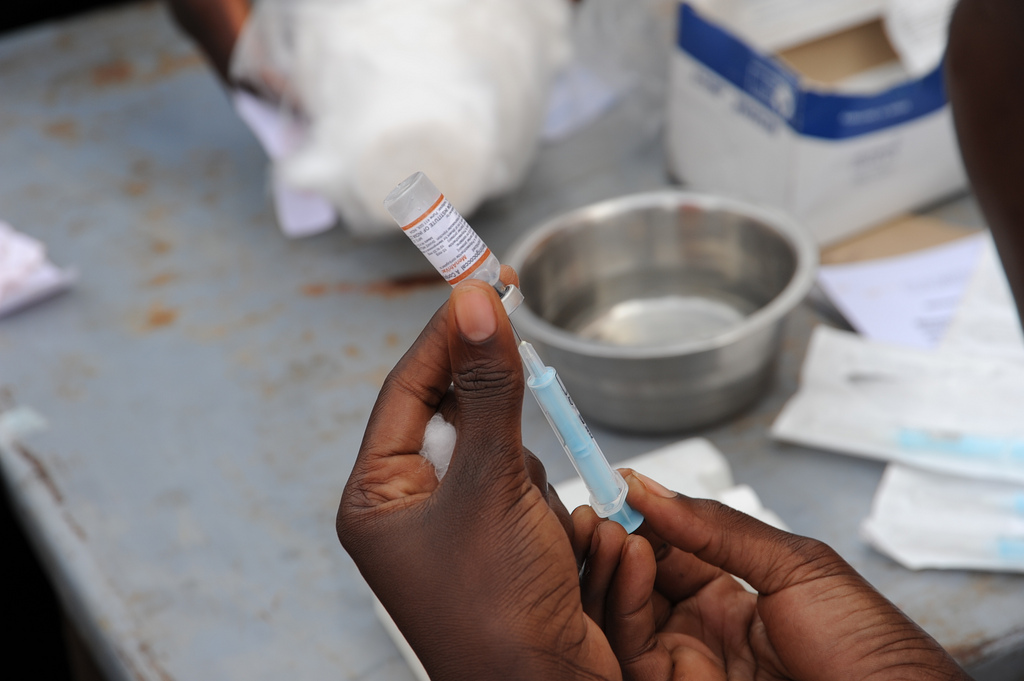
A photo of a person withdrawing medicine from a vial with a syringe

This article has a set of discussion questions tailored for classroom use. Click here to download them. To see a full list of articles with discussion questions and other resources, visit our “Educational Resources” page.


A group called Rational Vaccines, which conducted a clinical trial of a herpes vaccine, has brought legal and ethical standards for medical research into the news recently. The trial, conducted from April to August of 2016, used human subjects and was conducted in the Caribbean in order to avoid being overseen by the FDA or cleared by the institutional review board, or IRB, which is required of trials in the US.

Peter Thiel, co-founder of PayPal, has invested $4 million in Rational Vaccines this month. Thiel is an outspoken critic of the safety regulations the FDA and considers the oversight of the organization to needlessly delay scientific advancement. In an interview, he claimed that our current system of checks would prevent the polio vaccine from being developed today. However, his contribution to the group was contingent on their future compliance with FDA regulations in order for the findings of their research to be able to help more people.

The group has faced a great deal of controversy over the herpes vaccine study, not only for blatantly avoiding the jurisdiction of the US, but also for failing to meet standards of scientific rigor. However, the Chief of Rational Vaccines, Augustin Fernandez, stands by the results and is concerned that the import of the study is being lost in the uproar over the conditions of the trial.

Medical research has the aim of advancing our understanding of treatment and developing new ways of preventing ailments and healing the sick. However, this aim is in conflict with a competing value: that of imposing risk to the subjects. Clinical trials in medicine are experiments that explore what happens when humans engage in some treatment, and thus expose humans to risk of harm. Medical research thus has its own burden of justification that other scientific research (for instance, in physics or chemistry) doesn’t necessarily need to meet.

A basic ethical burden for medical research is that of scientific merit: a study must meet the standards of scientific method that peers dictate. Because studies are taking place in a scientific context, ideally this includes some possibility of replication of the results, suitable sample size and distribution, and objectivity of data collection. Including a control group and controlling variables is similarly important. Because clinical trials are exposing humans to harm, the study needs to be of scientific merit. Unfortunately, the herpes vaccine trial is not clearly meeting these standards because it included only 20 subjects without a clearly established control group, and the results involved the subjects who received the vaccine self-reporting their impression of whether there was an improvement of their condition. These aspects have undermined the scientific merit of the study, making it unlikely to be published in the US.

Also, because the research is experimental in nature, meaning it is not the standard of care, it is thus risky, and there are ethical demands on how this risk must be managed. Because humans are involved and potentially harmed by the trial, when medical research is conducted on humans, the subjects must give informed consent to adopting the risk of the study.

Other ways of managing the risk of the study go beyond the consent of the participants. The possible benefit must be proportional to the risk assumed by the subjects. Further, the benefit must not be directed towards a different group than those assuming the risk. This concern ties into selecting the subjects. If the treatment or drug that results from the trial will be prohibitively expensive, for instance, then it is ethically fraught to test the drug on subjects from economically disadvantaged groups. It may save a significant amount of money to conduct research on new treatments in less developed areas or nations, but to do so often means centering the risk of the trials on groups that will not be able to benefit from the results.  

This ethical constraint on medical trials is especially pertinent to studies being conducted transnationally. In Rational Vaccine’s trial for this herpes vaccine, subjects from the US and UK were flown to the Caribbean to take part in the study so this concern doesn’t overtly arise. However, transferring their patients outside the country highlights their attempts to avoid government regulations.

The criticisms that Thiel and other libertarians lob against the FDA claim that the regulations prevent medical progress. That’s true. Regulations are meant to promote the aims discussed above in order to prevent harm and exploitation of human subjects. In conducting research, the tension between developing a life-saving treatment and conducting your trial in a respectful and ethical manner can be fraught.

Unfortunately, the history of clinical trials is riddled with cases that highlight how important it is to attend to the ethical implications of medical research. It is very possible to conduct research in countries with fewer regulations and underprivileged citizens that are willing to adopt high risk in exchange for not receiving any benefit. From 1946-1948, US scientists infected patients in Guatemala with STDS. Within the US, patients’ rights have been disrespected and exploited, for instance in the well-known and egregious case of the Tuskegee experiments, where a group of African American patients were denied treatment for their syphilis in order to see how the disease progressed over their lives.

There is, of course, value in pursuing scientific advancement through clinical trials. The results of such trials could help a number of people, increasing the quality of life for many. This benefit must be weighed against the possible exploitation of research subjects and accepting the risk that the experiment will result in harm to the subjects.

Who Should Decide Charlie Gard’s Fate?

This article has a set of discussion questions tailored for classroom use. Click here to download them. To see a full list of articles with discussion questions and other resources, visit our “Educational Resources” page.


Charlie Gard is an 11-month-old boy suffering from an inherited and terminal mitochondrial disease. He cannot move his arms and legs or breathe unaided. At the time of writing, Charlie was still in intensive care at a UK hospital. Charlie’s parents decided that Charlie should be brought to the United States to receive an experimental treatment that may help alleviate his condition. However, the doctors at the UK hospital decided that the experimental treatment would not likely improve Charlie’s quality of life. Since the parents and the doctors disagreed on what would be in Charlie’s best interests, the courts got involved.  The UK legal system has so far ruled that receiving the experimental treatment would not be in Charlie’s best interest, and Charlie should be removed from life-sustaining treatment to receive palliative care; the legal process is still in process concerning Charlie’s ultimate fate.

Continue reading “Who Should Decide Charlie Gard’s Fate?”

Belief in the Paranormal: Harmless Superstition or Moral Escapism?

This article has a set of discussion questions tailored for classroom use. Click here to download them. To see a full list of articles with discussion questions and other resources, visit our “Educational Resources” page.


Despite increasing secularism around the globe, belief in ghosts and other paranormal phenomenon remains prominent in many cultures. 42% of Americans believe in ghosts, and 52% in the United Kingdom. Many more believe in ghosts in other parts of the world, particularly in Asia, where ancient cultures still thrive – superstitions and all. Regardless of whether or not ghosts are real, belief in the paranormal has important societal functions. Belief in the paranormal helps humans assign order to an increasingly chaotic world, create social bonds, and even boost physical and mental function (another reason to keep knocking on wood.) Although belief in the paranormal can seem like a harmless pastime, is there a downside to having superstitions?

Shortly after WWII, Winston Churchill had a paranormal experience in the White House. Stepping out of the bathtub, he was reportedly confronted by the ghost of Abraham Lincoln. Singular paranormal experiences such as Churchill’s can be explained by stress, fatigue, and dim lighting. Could this paranormal experience have been triggered by the stress of leading the West during WWII? People who experience paranormal phenomenon on a daily basis are less easy to explain, and are now said to be “shielding” themselves from feeling out of control. In times of chaos, the human brain searches for patterns of meaning, and humanity’s anthropomorphist nature wants to assign control to seemingly random or unexplainable events. It is easier for the mind to imagine a tragedy being caused by malignant spirits than by complete randomness. Arguably, using belief in the paranormal as a shield functions similarly to playing immersive video games or watching television dramas every week.

In folklore there is a method of storytelling called ostension, or legend-tripping. In this style of folklore, storytellers act out the legend they reiterate. Ghost hunting is arguably a type of legend-tripping. Similar to folklorists re-telling a legend, participants take the task of unveiling the truth about ghosts quite seriously. This immersive legend-tripping experience can become a distraction from everyday life, which has both positive and negative consequences. One example is that belief in the paranormal offers a reason for traumatic events like disease, death, and natural disaster. Holding such a belief helps one feel more in control of the world around them. However, holding such a belief could make it harder for someone to face the unpredictable world around them.

However, if ghosts are eventually proven to be completely fake, an entire structure of meaning will break down. Justin McDaniel, a professor of religious studies at the University of Pennsylvania explains just how important this structure of meaning is for many cultures: “People in Asia have kept their belief in ghosts despite the rise of science, skepticism, secularism, and public education… Even hyper-modern and liberal Scandinavia has a high percentage of people believing in ghosts.” Even with the advancements in science to explain phenomenon that was previously considered to be paranormal, including out-of-body experiences and sleep paralysis, paranormal explanations persist. Sleep paralysis is still interpreted as a ghost experience in Hong Kong, Thailand, and Newfoundland, Canada. The belief in the paranormal functions as an important structure of meaning that unites people around the world, whether it is through watching a favorite television show in the United Kingdom or sacrificing and eating a hog at a family ceremony in Asia.

Despite these important social functions, the downside of belief in the paranormal is the growing inability to mentally process an uncontrollable world. Pursuing the paranormal through television shows, weekends out ghost hunting, or holding superstitions about disease and disaster is a form of escapism that can have negative consequences in the long run. For example, a family with a child suffering from epilepsy may choose to perform an exorcism versus getting medical treatment, which may have negative consequences for the child. Also, an individual who believes natural disasters are caused by a deity may blame themselves for natural disasters, thinking that the deity is angry with them. Both of these are examples of how belief in the paranormal, particularly in its potential forces on the world around, can be more harmful than believing the world is ruled by happenstance.

Christopher French, a professor of psychology at the University of London, comments on the reasons people choose to believe in the paranormal: “There is also the emotional motivation for these beliefs. The vast majority of us don’t like the idea of our own mortality. Even though we find the idea of ghosts and spirits scary, in a wider context, they provide evidence for the survival of the soul.” Belief in the paranormal can be a way to escape one’s own mortality, which contributes to a Western perspective on death, one of fear and avoidance. Furthermore, holding superstitious beliefs and pursuing answers about the paranormal takes away time that a person could spend on important tasks in the present as opposed to the afterlife. Ghost hunting takes away time one could spend volunteering at a local non-profit or participating in political activism. However, one could also argue that ghost hunting is as harmless a hobby as browsing social media or scrapbooking. If ghost hunting is considered a form of escapism that is detrimental to one’s connection with reality, other hobbies arguably could have the same effect.

Although many psychologists explain paranormal encounters as minor hallucinations or dim lighting, belief in ghosts does not seem like it will dissipate in the near future. At the University of Virginia’s School of Medicine, the Division of Perceptual Studies investigates phenomena that current scientific methods cannot explain. Dr. Jim Tucker at DOPS focuses on finding evidence that human personalities persist after death by examining children who report memories that are not their own. One young patient started having horrific nightmares at the age of 2 about plane crashes, and started reporting memories consistent with a WWII fighter jet pilot. Some would explain this phenomenon in the child as minor brain damage, a plea for parental affection, or shielding from growing up. Others would hail this example as modern day reincarnation. Although opinions are still divided on the existence of ghosts and other paranormal phenomenon, it is clear that belief in ghosts has important cultural functions that should be taken seriously.

Can Animals Be Moral? with Mark Rowlands

Is it possible for animals to be moral? Philosopher Mark Rowlands challenges the idea that animals have no capacity for morality. He argues that not only do animals have emotions, those emotions can motivate them to make moral decisions.

For the episode transcript, download a copy or read it below.

Contact us at examiningethics@gmail.com

Links to people and ideas mentioned in the show

  1. Can Animals Be Moral? by Mark Rowlands
  2. Interview with Rowlands regarding his wolf-dog
  3. Dog Risks Life in Rescue” (YouTube, CBS)
  4. “Leopard Saves Baby Baboon” (YouTube)
  5. The Criminal Prosecution and Punishment of Animals by E. P. Evans (1906)

Credits

Thanks to Evelyn Brosius for our logo. Music featured in the show:

Badlands” by Cory Gray from the Free Music Archive. CC BY-NC 3.0

Hungaria” by Latché Swing from the Free Music Archive. CC BY-NC-SA 2.0 FR

Floating in Space” by Podington Bear from the Free Music Archive. CC BY-NC 3.0

“Spy Glass” by Kevin MacLeod from incompetech.com. CC BY 3.0

Serenity” by Podington Bear from the Free Music Archive. CC BY-NC 3.0

Songe D’Automne” by Latché Swing from the Free Music Archive. CC BY-NC-SA 2.0 FR

Visit us.

LOCATION

2961 W County Road 225 S
Greencastle, IN 46135
765.658.5857


PLAN YOUR VISIT

HOURS

Monday-Friday: 8AM-5PM
Saturday-Sunday: Closed

Daily; Dawn to Dusk