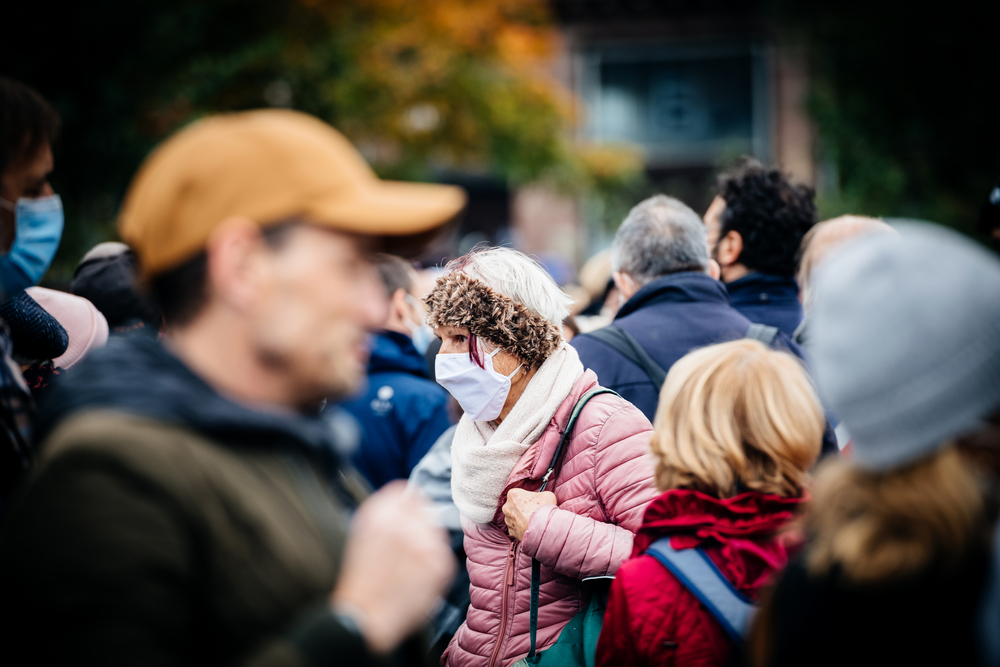
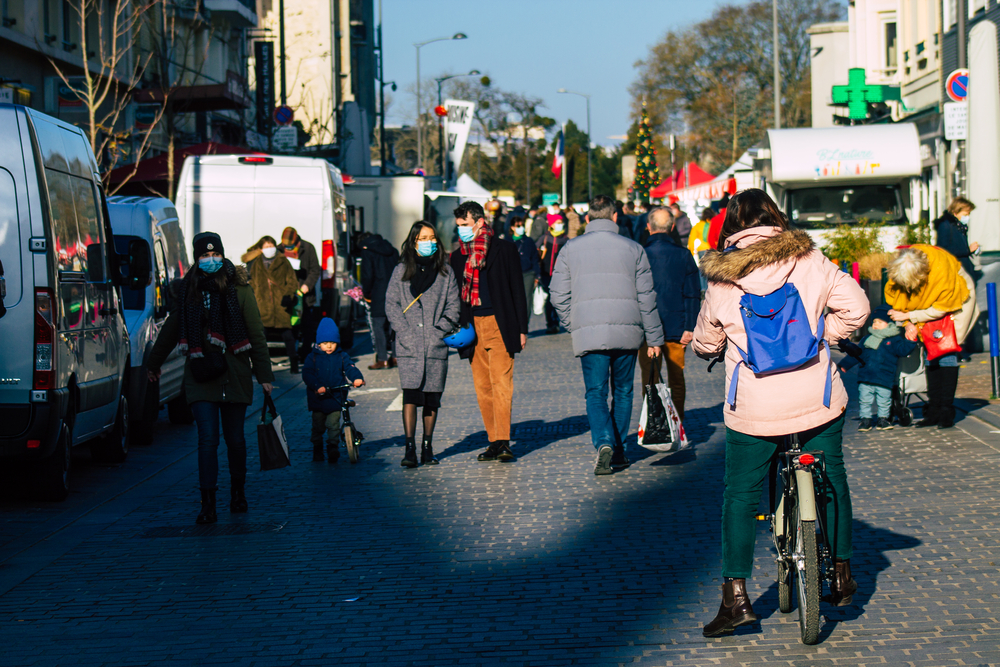
COVID-19 Marshall Bierson | 27 Apr 2021 Considered Position: On Voluntary Non-Vaccination – Types of Reasons Depending on the justification, we might still have an obligation to curb behavior in order to protect the unvaccinated.
COVID-19 Marshall Bierson | 23 Apr 2021 Considered Position: On Voluntary Non-Vaccination – The Difference Voluntariness Makes Does the fact that vaccination is widely available change our moral situation in respect to those who remain unvaccinated?
A Problem with Emotions Anger, grief, and even joy affect our moral reasoning in ways still left unexplored. 1 Apr 2021 | Marshall Bierson
Intuitions and the Duty to Aid What do our intuitions actually tell us? What moral weight should we grant them? 5 Mar 2021 | Jimmy Alfonso Licon
What Good Is Ignorance? Not all knowledge is important. There are a great many things we are better off remaining ignorant of. 11 Feb 2021 | Jimmy Alfonso Licon
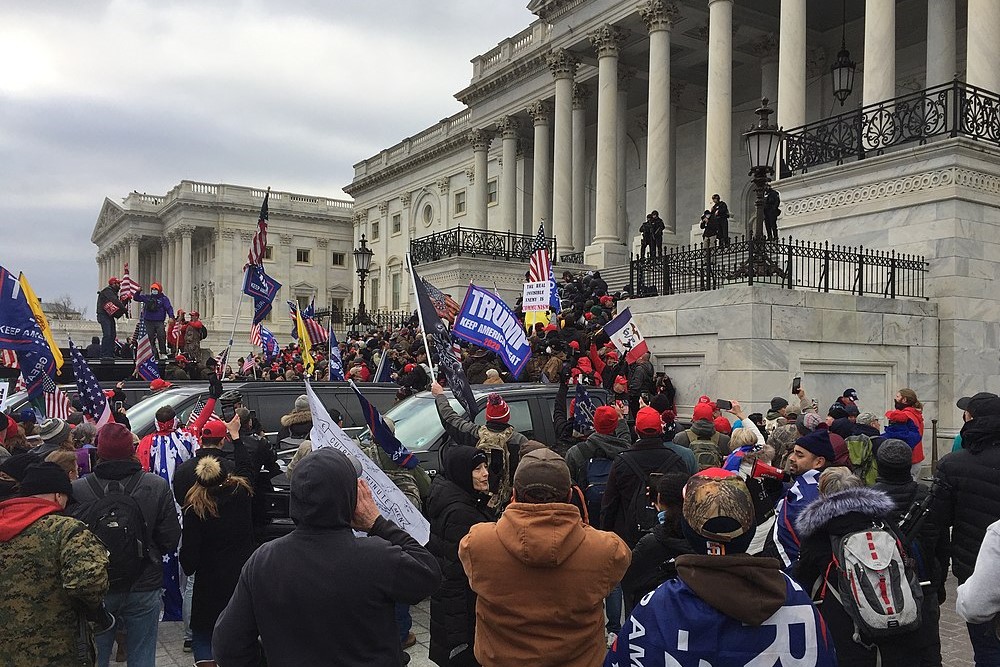
On the Rationality of the Capitol Rioters On what basis should we assess rational action? Should that judgment make space for things like false beliefs or moral considerations? 22 Jan 2021 | Benjamin Rossi
Insurrection at the Capitol: Socratic Lessons on Rhetoric and Truth The events of January 6th offer yet another history lesson on the power of persuasion and our indifference to truth. 14 Jan 2021 | Rachel Robison-Greene
The Moral Need for Public Conversation about Rights in a Pandemic World The 'folk' conception of rights is a major obstacle to combating the pandemic. Perhaps it's time we had a talk about the limits of personal liberty. 16 Dec 2020 | Matthew S.W. Silk
What Reddit Can Teach Us About Moral Philosophy Is there any moral knowledge to be gained wading through others' sticky situations online? 24 Nov 2020 | Beatrice Harvey
What Would Kierkegaard Make of Twitter? Is our inclination toward "talkativeness" hindering recognition of our true place in the cosmos and standing in the way of a genuine relationship to the world? 19 Nov 2020 | A.G. Holdier
Freedom of Speech and the Self-Defense Argument Know thine enemy? Is it better that offensive views be expressed than simply hidden from sight? 18 Nov 2020 | Jimmy Alfonso Licon
Should Republicans and Democrats Be Friends? Can friendship overcome deep moral disagreement? Should it? 10 Nov 2020 | Benjamin Rossi
Is Moral Mediocrity Bad? A sense of duty or a sense of shame? What might mask use have to tell us about moral psychology? 5 Nov 2020 | Jimmy Alfonso Licon
In Defense of Mill Contrary to popular belief, Mill's commitment to speech is capable of distinguishing good faith from bad faith efforts. 26 Oct 2020 | Benjamin Rossi
Liability and Luck Our conceptions of legal and moral responsibility encourage less-than-ideal results. 13 Oct 2020 | Marshall Bierson
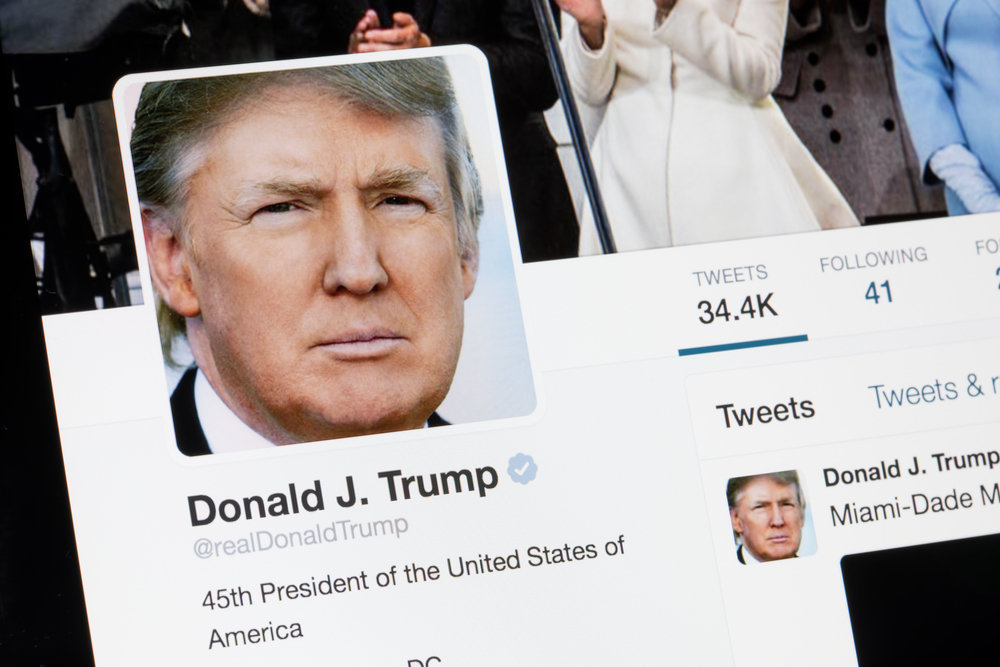
Misericordia and Trump’s Illness Can virtue ethics ever justify wishing harm to come to others? 5 Oct 2020 | John Hacker-Wright
Treating Principles as Mere Means How can we explain the unique moral wrong committed when we trade on our principles? 30 Sep 2020 | Benjamin Rossi
When Are Leaders Culpable? How do we know when those in command are at moral fault? How do we separate individual responsibility from the exploitation of trust? 15 Sep 2020 | Jimmy Alfonso Licon
Moral Luck and the Judgment of Officials What responsibility do judges bear in assessing individual's moral culpability for outcomes that are the product of luck? 14 Sep 2020 | James M. Okapal
Under Discussion: Dog Whistles, Implicatures, and "Law and Order" Coded messages and dog whistles like "law and order" signify much more than their literal meaning suggests. 11 Sep 2020 | A.G. Holdier
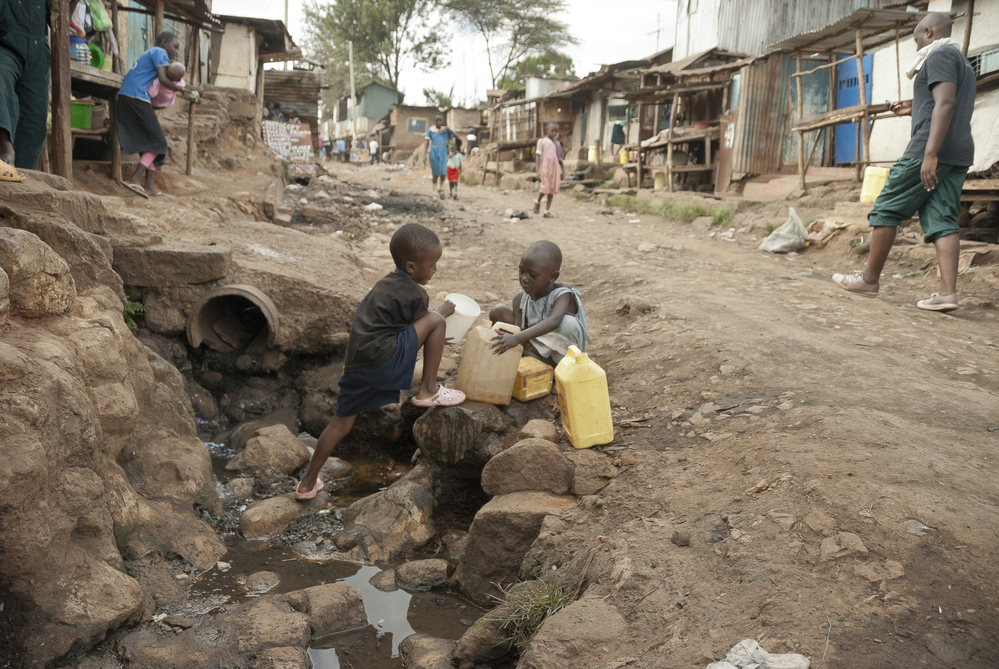
How Many Children Must We Save? At what point does giving become obligatory and not merely charitable? How much can (and should) be demanded of us? 19 Aug 2020 | Jimmy Alfonso Licon
Hypocrisy and the Fall of Falwell Inconsistency, self-deception, deceit? What is it about hypocrisy that provokes such strong feelings of moral outrage? 10 Aug 2020 | Benjamin Rossi