

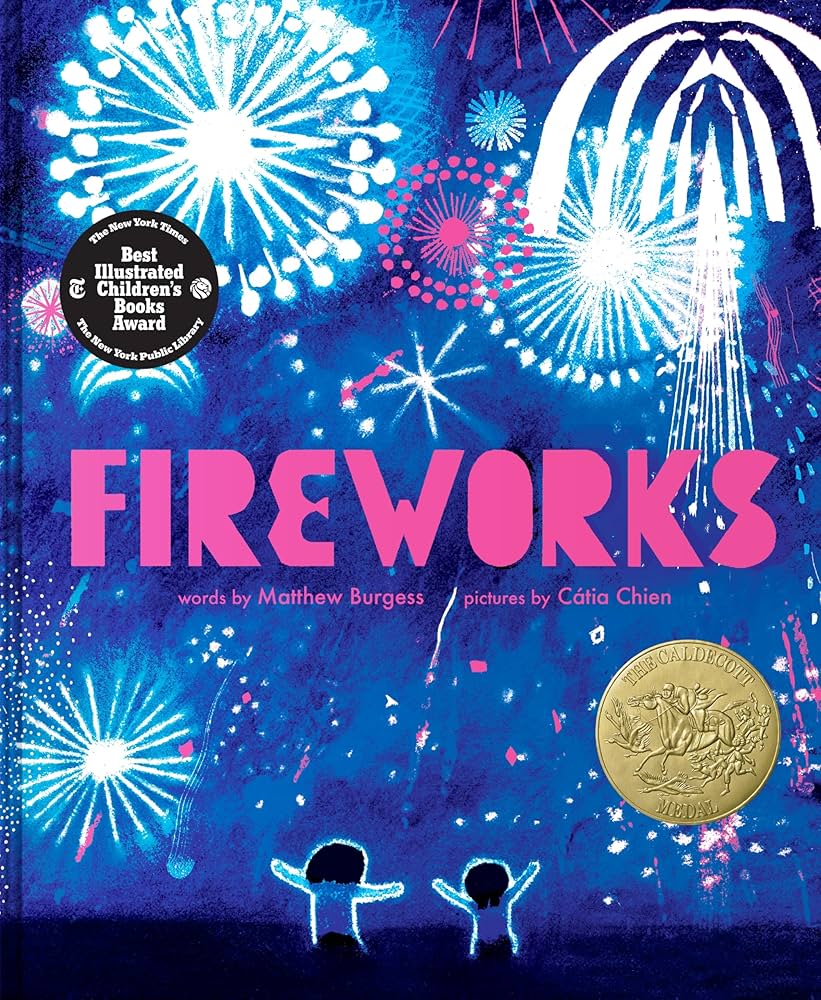
Matthew Burgess’s lyrical text and Cátia Chien’s luminous illustrations follow a boy through the charged hours of a summer night, building toward the communal spectacle of fireworks overhead. More than a celebration, the story is a meditation on anticipation, presence, and the way a single shared moment can make the world feel briefly, brilliantly whole. Its questions about joy, attention, and what it means to experience beauty alongside others make it a rich starting point for philosophical conversation.
About The Collection
This K–5 Caldecott Classics collection brings together six Caldecott Medal and Honor winners that speak to some of the deepest questions children encounter. In Fireworks, a boy watches the night sky explode with color and meaning, discovering how shared experience can transform the world around us. A Sick Day for Amos McGee shows what it looks like when friendship means showing up, no matter what. This Is Not My Hat is a deceptively simple story about dishonesty, self-deception, and the gap between what we tell ourselves and what is actually true. The Little House traces the life of a small home through seasons and decades, raising questions about change, belonging, and what we lose when progress leaves something behind. Sylvester and the Magic Pebble puts the ethics of desire and identity at the center of a family’s worst nightmare. And Where the Wild Things Are follows a boy into the wilderness of his own emotions and back again, asking what it means to be loved in spite of ourselves. Each book is paired with a ready-to-use discussion guide that helps teachers and caregivers open conversations about beauty, honesty, belonging, change, and what stories can teach us about being human.
Fireworks
A Sick Day for Amos McGee
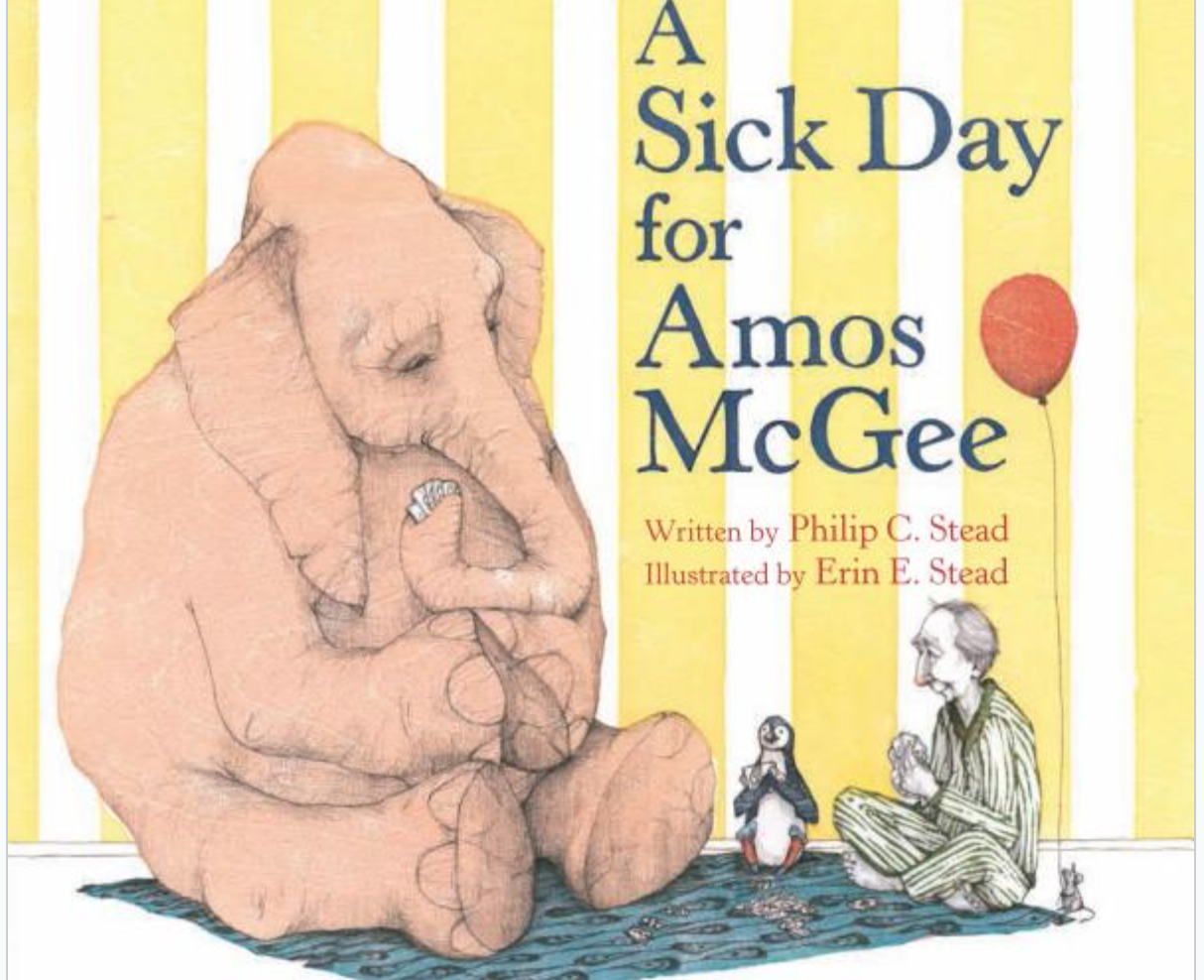
Philip and Erin Stead’s gentle, warmhearted story follows Amos, a zookeeper whose animal friends return the care he has always shown them when he falls ill and can’t make it to work. Erin Stead’s distinctive pencil-and-printmaking illustrations give the book a soft, unhurried quality that mirrors its ethical heart. This is a story about what friendship asks of us, and what it looks like when care runs in both directions.
This Is Not My Hat
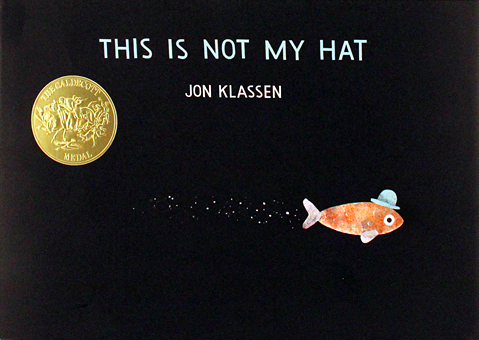
Jon Klassen’s deadpan masterpiece follows a small fish who has stolen a hat from a much larger fish and offers a series of confident, cheerful justifications for why this is fine. The joke lands beautifully, but the questions underneath it are serious ones: Why do we rationalize? What do we owe the truth? And what does it mean to know, on some level, that we are wrong? Klassen’s minimal text and expressive illustrations do more ethical work per page than almost any book in the genre.
The Little House
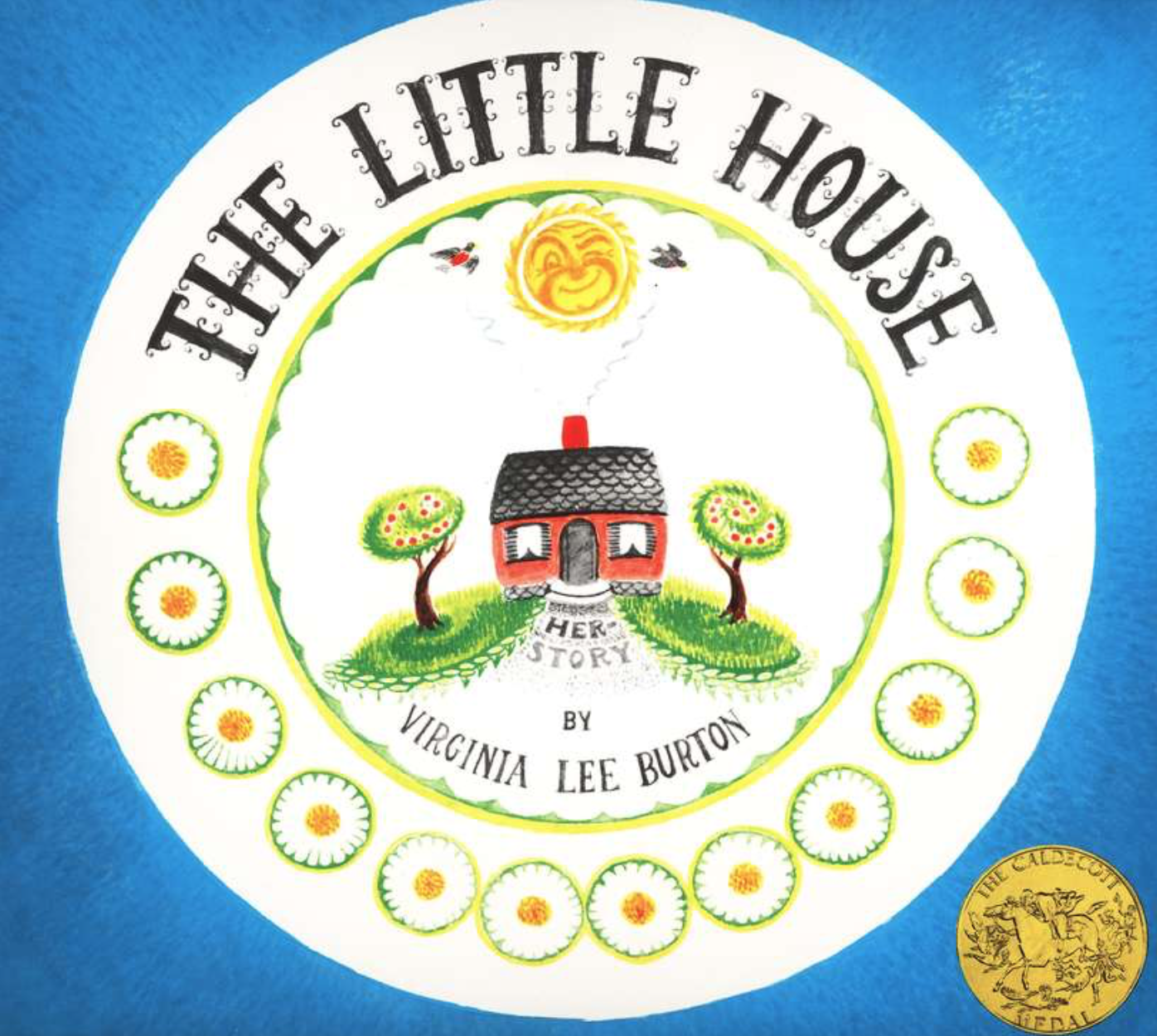
Virginia Lee Burton’s classic traces the life of a small country house through the turning seasons and the relentless encroachment of the city around it. What begins as a story about cycles and time deepens into something more searching, raising questions about progress, home, belonging, and who gets to decide what a place is worth. A quietly powerful entry point into conversations about change, value, and our responsibilities to the places and communities we inhabit.
Sylvester and the Magic Pebble
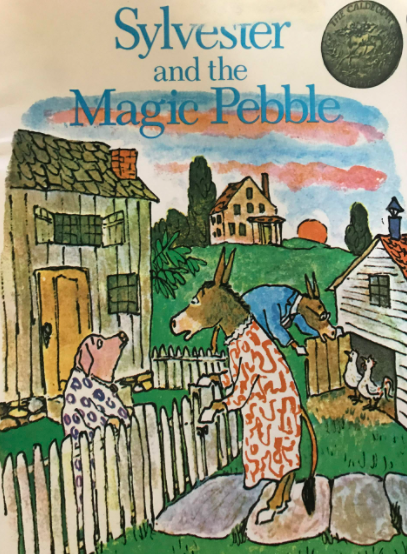
William Steig’s deeply strange and deeply moving story follows Sylvester, a young donkey who finds a magic pebble and, in a moment of panic, accidentally transforms himself into a rock. Unable to wish himself back, he waits through the seasons while his family grieves. The story raises profound questions about identity, helplessness, desire, and the nature of happiness, and its emotional stakes are high enough to carry real philosophical weight with readers of all ages.
Where the Wild Things Are
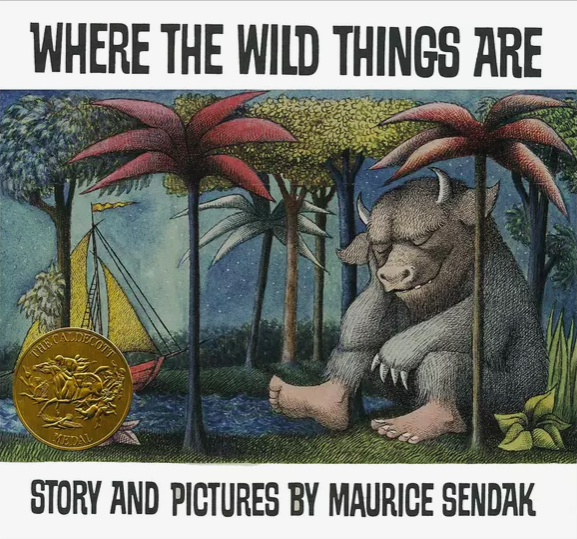
Maurice Sendak’s landmark picture book follows Max, sent to bed without supper, who escapes into a wild dream world where he becomes king of the monsters, and then chooses to come home. In fewer than 350 words and across some of the most iconic spreads in children’s literature, Sendak explores the full arc of anger, imagination, power, and the need to be loved unconditionally. There is no more fundamental question in childhood, or in ethics, than the one this book quietly poses: what does it mean to belong somewhere, even after you’ve been difficult?