

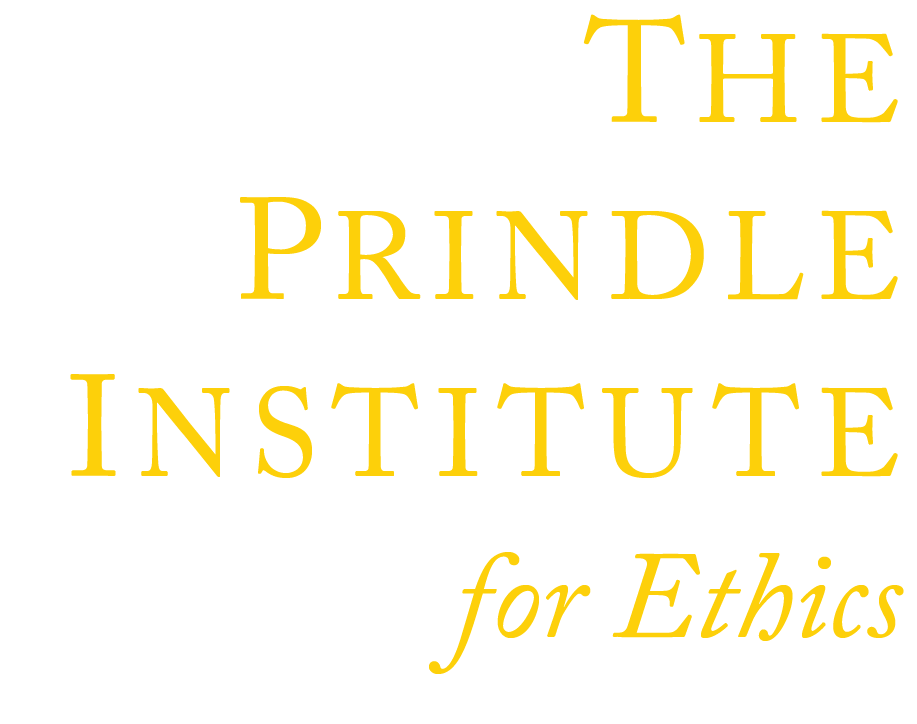
The Ramble Shamble Children
Book Module Navigation
Summary
Down the mountain, across the creek, past the last curve in the road, five children live together in their ramble shamble house, with no grown-ups in sight. Merra, the oldest, tends the garden and tells bedtime stories. Locky and Roozle raise the vegetables and chase off the blackbirds. Finn looks after the chickens. And the youngest, Jory, has a job too: looking after the mud puddle. Life is busy and more than a little messy, but it works, until the children find a picture of a “proper” house in an old book. Struck by its tidy porch and manicured yard, they set out to proper up their own home, building a fancy henhouse, planting roses where the carrots used to grow, and fashioning a chandelier of their own. The results are not what they hoped. The hens will not go near their new house, the chandelier does not last the night, and worst of all, once his mud puddle is gone, Jory goes missing. The children’s search for him, and the joyful mess they eventually restore, raise questions about work and belonging, appearances and substance, and what actually makes a home, and a family, good.
Guidelines for Discussion
The Ramble Shamble Children offers a gentle but surprisingly layered entry point into questions children already turn over often: what makes a family, what makes a place “good,” and what we lose when we try to be something we’re not. Because the story has almost no explanation for how five children came to live on their own, it invites imaginative and philosophical speculation rather than settling questions for young readers in advance.
One natural starting point is work and belonging. Every child in the ramble shamble house has a job, from tending the garden to chasing blackbirds, and even the baby, Jory, has one: looking after the mud. Facilitators can ask what it means to contribute to a household, and whether a job has to look impressive to matter. Because the children have no parents, the story also opens a wider question about what actually makes a group of people a family. Is it blood, is it living together, or is it something else, like caring for one another and doing your part?
A second theme is appearance versus substance, prompted by the children’s discovery of a picture of a “proper” house. Nothing is wrong with their home until they compare it to an image of what a house is supposed to look like. This gives children a chance to consider where our standards for “good” or “proper” come from, and whether something has to look a certain way to actually be good. Facilitators might connect this to children’s own experience of comparing their things, their rooms, or their families to someone else’s and suddenly liking their own less.
A third theme follows from the second: change and what gets given up. Propering up the house does not just change how it looks. It stops working. The hens refuse their fancy coop, the chandelier does not survive the crows, and the mud puddle Jory loved is gone. This is a good opening for children to reflect on the difference between a change that improves something and a change that only makes it look improved, and how we might tell the difference before it is too late.
Finally, the story raises a quieter theme of noticing what others need. Jory cannot explain in words why he is unhappy, and his brothers and sister have to figure out, through his distress, that something essential to him was taken away. This is a chance to talk about empathy in a very concrete way: how do we know what someone needs, especially someone who cannot say so directly, and especially when what they need looks small or silly to everyone else?
Facilitators should resist the pull to wrap up this discussion with a tidy lesson about materialism or the value of simplicity, even though the story’s ending gestures that way. It is worth holding open, rather than closing down, the more difficult question underneath: change is not automatically bad, and “proper” is not automatically empty. The interesting philosophical work is in asking what made this particular change go wrong, and what would need to be true of a change for it to actually make a home, or a family, better.
Discussion Questions
Work and Belonging
- What job does each of the ramble shamble children have, and why do you think even baby Jory has one?
- What do you think makes the five children a family, even without any grown-ups living with them?
- What jobs or responsibilities do you have at home, and how do they make you feel like you belong there?
Appearance and Substance
- Why did the children decide their house needed to change after they saw the picture in the book?
- What makes something “good” or “proper” in the first place: how it looks, or something else?
- Have you ever compared something of yours to someone else’s and liked your own less because of it?
Change and What Gets Lost
- What did the children lose when they made their home more “proper”?
- What kinds of changes might make something look better while actually making it work worse?
- How might we decide whether a change is really an improvement?
Noticing What Others Need
- Why do you think Jory was so unhappy once his mud puddle disappeared?
- How did the other children figure out what Jory needed, even though he couldn’t tell them?
- How can we tell what someone else needs, especially when it seems small or silly to us?
Suggested Activity: My Just-Right Place
After the discussion, invite children to think about a place of their own, real or imagined, that is exactly right for them even if it isn’t tidy or “proper.” This could be a bedroom, a fort, a backyard corner, or a spot they’ve invented, like the ramble shamble house itself. Give students paper and drawing supplies and ask them to draw this place, including the small, messy, or unusual details that make it theirs, the equivalent of Jory’s mud puddle.
As they draw, facilitators can circulate and ask questions like “What’s something about this place that might look silly to someone else but matters to you?” or “If you ‘propered up’ this place, what would you lose?” Once finished, invite students to share their drawings with a partner or the group, explaining what makes the place just right as it is.
Bring the group back together to connect the activity to the story. Ask: Why did the ramble shamble house work for the children even though it wasn’t “proper”? Is there a difference between a place looking messy and a place actually being wrong? This activity gives children a personal, concrete way to hold onto the idea that value doesn’t always show up as tidiness, and that the things we love about a place, or a family, aren’t always the things that photograph well.
About the Prindle Institute
The Prindle Institute for Ethics equips people to deepen their understanding of different moral perspectives and to think critically about the inescapable ethical issues of our time. Through ethics education resources and interactive experiences, we bring communities together to fully engage with the ethical dimensions of their lives.
About Teaching Children Philosophy
Teaching Children Philosophy began with the philosopher, Dr. Tom Wartenberg, whose pioneering work showed how picture books can open the door to big ethical and philosophical questions. Today, The Prindle Institute serves as the digital home for the library, expanding and maintaining this growing collection of guides so educators everywhere can bring lively, thoughtful dialogue into their classrooms.
Further Resources
Some of the books on this site may contain characterizations or illustrations that are culturally insensitive or inaccurate. We encourage educators to visit the Association for Library Service to Children’s resource guide for talking to children about issues of race and culture in literature. They also have a guide for navigating tough conversations. PBS Kids’ set of resources for talking to young children about race and racism might also be useful for educators.
Philosophy often deals with big questions like the existence of a higher power or death. Find tips for leading a philosophical discussion on our resources page.
