

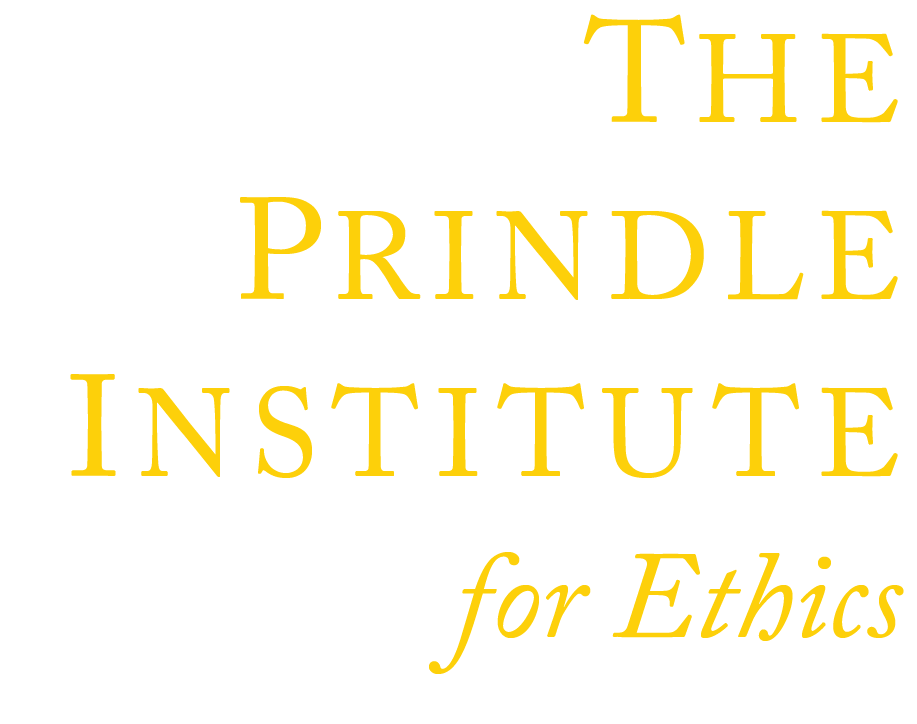
Acorn Was a Little Wild
Book Module Navigation
Summary
Acorn is a little wild. He can’t wait to leave his perch on the old oak tree and see the world, and when the time comes, he’s the first of his friends to let go. The world turns out to be thrilling. A squirrel scoops him up and races him to the top of a tree, though things get a little too exciting when the squirrel tries to take a bite. Acorn escapes, only to be grabbed by another squirrel and buried deep in the soft, wet ground. For an acorn who loves adventure, being stuck in the dark seems like the worst thing imaginable. But slowly, something begins to change inside him, and Acorn decides that changing might be an adventure too. Seasons pass, and he grows into a tall oak with acorns of his own. Yet deep down, he is still a little wild. This playful story raises questions about change and identity, risk and courage, patience, and what it means to grow up.
Guidelines for Discussion
Acorn Was a Little Wild is a bright, bouncy read-aloud with a surprisingly deep question at its center. Its hero begins as a tiny, restless acorn and ends as a towering oak, and yet the story insists he is still the same character with the same wild heart. That journey opens questions young children find endlessly interesting. What changes when we grow up, and what stays the same? Is it good to be a little wild? And what do we do when life makes us sit still?
One natural starting point is change and identity. Acorn changes about as much as anything can, from a nut you could hold in your hand to a tree taller than a house. Children can wonder whether the oak at the end is really the same as the acorn at the beginning, and what makes him the same if almost everything about him is different. Is it his personality? His memories? His wildness? Facilitators can invite comparisons to children’s own lives: they are not the size they were as babies, they like different things, and they can do things they once couldn’t, yet they are still themselves. Children may also notice that acorns grow into oaks whether they want to or not. When Acorn throws himself into changing, is he making a choice, or deciding how to feel about something that was going to happen anyway?
A second theme is risk and courage. Acorn’s wildness leads to real fun and real danger, since one squirrel nearly eats him. Children can think about the difference between being brave and being reckless, and how we decide when a risk is worth taking. Is Acorn admirable for jumping first, or foolish? Younger children may simply love his boldness, while older children may weigh his near-miss with the squirrel. Neither the story nor the discussion needs to decide once and for all whether being wild is good or bad.
The story also invites reflection on patience and setbacks. Being buried is Acorn’s low point. He is annoyed that his adventures have been cut short, and only later comes to see being still as its own kind of adventure. Children can ask whether waiting can be an adventure, and whether we can choose how we see something we never chose. Facilitators may want to tread carefully here. Not every hard thing can or should be turned into a happy one, and children can consider whether it was okay for Acorn to feel upset before he found a new way to look at things.
Finally, the ending raises questions about growing up and letting go. Acorn is now the tree his own acorns hang from, and when they get the itch to leave, he cheers them on. Children can think about what grown-ups owe the young. Should Acorn warn his acorns about hungry squirrels, or encourage them to go anyway? What is it like to be the one who stays while others leave? These questions connect easily to children’s own experiences of being told to be careful by some adults and encouraged to try new things by others.
The book is often presented as a story about embracing change and turning setbacks into adventures. That is a fine reading, but children may take the conversation in other directions, wondering whether Acorn really had a choice, or whether it is good to stay a little wild once you are grown. Facilitators should welcome these turns. The goal is not to settle on what the story teaches, but to help children give reasons for their views and build on one another’s ideas.
Discussion Questions
Change and Identity
- How is the oak tree at the end of the story different from the acorn at the beginning? How is it the same?
- If almost everything about you changed, what would make you still you?
- Did Acorn choose to change, or would it have happened anyway? What makes you think so?
Risk and Courage
- Why do you think Acorn wanted to be the first to leave the tree?
- What is the difference between being brave and being reckless?
- How can we tell when a risk is worth taking?
Patience and Setbacks
- How do you think Acorn felt when he was buried in the dark?
- How can waiting or staying still be an adventure?
- Can every hard thing be turned into an adventure? What makes you think so?
Growing Up and Letting Go
- Why do you think Acorn encourages his own acorns to go for it?
- When someone you care about wants to try something risky, how should you decide whether to encourage them or warn them?
- What do you think it means to stay a little wild even after you grow up?
Suggested Activity: My Acorn and My Oak
Acorn becomes almost entirely different by the end of the story, but something about him stays the same. Invite students to explore how they change and stay the same over time. Give each student a sheet of paper folded in half. On one side, labeled “My Acorn,” they draw themselves when they were younger. On the other side, labeled “My Oak,” they draw the grown-up they imagine becoming someday.
Next, ask students to find one thing that belongs in both pictures: something they think will always be part of who they are, like a love of jokes, a favorite animal, being curious, or their own “wild” side. Have them mark that thing in both halves with the same color or symbol. Younger students can draw it, while older students can add a label or a short sentence. As they work, circulate and ask questions like: What is different between your two pictures? Why did you choose this thing to stay the same? Could it ever change too?
When the drawings are finished, invite students to share them with a partner or the whole class. Then bring the group together to reflect. What kinds of things did people choose to keep the same: how they look, what they like, or who they are inside? What makes a person the same person as they grow and change? What made Acorn still Acorn, even as a giant oak? This activity carries the story’s playful energy into a personal, concrete way of thinking about identity and growing up.
About the Prindle Institute
The Prindle Institute for Ethics equips people to deepen their understanding of different moral perspectives and to think critically about the inescapable ethical issues of our time. Through ethics education resources and interactive experiences, we bring communities together to fully engage with the ethical dimensions of their lives.
About Teaching Children Philosophy
Teaching Children Philosophy began with the philosopher, Dr. Tom Wartenberg, whose pioneering work showed how picture books can open the door to big ethical and philosophical questions. Today, The Prindle Institute serves as the digital home for the library, expanding and maintaining this growing collection of guides so educators everywhere can bring lively, thoughtful dialogue into their classrooms.
Further Resources
Some of the books on this site may contain characterizations or illustrations that are culturally insensitive or inaccurate. We encourage educators to visit the Association for Library Service to Children’s resource guide for talking to children about issues of race and culture in literature. They also have a guide for navigating tough conversations. PBS Kids’ set of resources for talking to young children about race and racism might also be useful for educators.
Philosophy often deals with big questions like the existence of a higher power or death. Find tips for leading a philosophical discussion on our resources page.
