

Big
Book Module Navigation
Summary
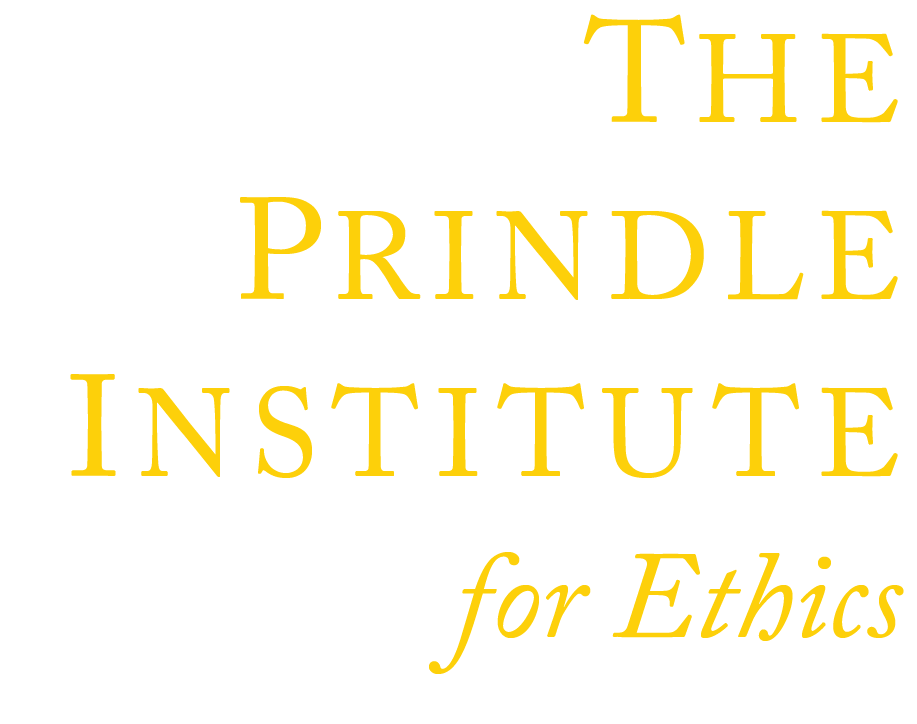
Big follows a young girl with a big laugh, a big heart, and big dreams. When she is little, being called “big” is a compliment: grown-ups praise her for being such a big girl. As she gets older, the same word starts to change. At school, in ballet class, and on the playground, people use “big” and other words to describe her body in ways that make her feel she takes up too much space. Harrison shows these words gathering around the girl on the page until she tries to make herself small. In the end, she finds a way to give the hurtful words back to the people who said them and to fill the space that is hers. The story raises questions about the power of words, identity and self-worth, fairness and growing up, and what it means to belong.
Sensitivity Note: This story centers on name-calling and hurtful comments about a child’s body size. Some children in the room may have heard similar words directed at them. Facilitators should keep the discussion focused on the character and on ideas rather than on any student’s body, and should avoid inviting children to repeat hurtful names. Some readers may also notice that the girl is treated as older than she is, an experience that Black girls in particular often describe. Facilitators should be prepared to acknowledge this thoughtfully if it arises.
Guidelines for Discussion
Big is a short book with very few words, but the words it does use carry enormous weight. That makes it an ideal story for exploring how language shapes the way we see ourselves and each other. Children already know that words can hurt, but Big invites them to think more carefully about why, and about who gets to decide what a word means.
One central theme is the power of words. The word “big” is the same word at the beginning and the end of the story, yet it feels completely different depending on who says it and how. Facilitators can ask children whether a word has a meaning of its own or whether its meaning comes from the person speaking, the tone of voice, or the situation. Harrison makes this visible by showing the words piling onto the girl, which gives children a concrete image for something abstract: the idea that words can seem to stick to us long after they are spoken. Children may also want to explore whether the people who hurt the girl meant to, and whether that matters.
Another theme is identity and self-worth. As the story goes on, the girl begins to see herself through other people’s words. This invites a basic philosophical question: who decides who you are? Is it the people around you, or is it you? Children might consider whether other people can know us better than we know ourselves, or whether some parts of who we are can only be decided from the inside. The moment when the girl returns the words is especially rich here. Facilitators can ask what it means to give a word back, and whether it is possible to refuse a description someone else has given you.
The story also raises questions about fairness and growing up. Being a “big girl” at first means being praised for acting grown-up. Later, it seems to mean being held to expectations that do not fit a child at all. Children can reflect on what adults expect from them as they get older and whether those expectations are always fair. Why might people treat some children as older than they are? What do children deserve simply because they are children? Younger students may focus on the unfairness of being blamed or teased, while older students may notice how the girl’s experience connects to larger patterns in how people are treated.
Finally, Big is a story about belonging and taking up space. In ballet class and elsewhere, the girl is made to feel that she does not fit. By the end, she grows to fill the page. Children can think about what it means to belong somewhere, whether a place should change to fit the people in it or the people should change to fit the place, and why making ourselves smaller can feel safer even when it makes us unhappy.
Facilitators should resist turning the discussion into a simple lesson about kindness or self-love. The story’s power lies in the questions it leaves open: whether we can fully control how words affect us, what responsibility speakers have for words they did not mean to be hurtful, and how a person comes to see their own worth. The aim is to help children give reasons, listen carefully, and notice where their ideas overlap and differ.
Discussion Questions
The Power of Words
- How did the word “big” make the girl feel at the beginning of the story, and how did that change?
- How can the same word be kind at one time and hurtful at another?
- If someone says something hurtful without meaning to, how should we think about what they did?
Identity and Self-Worth
- What did the girl start to believe about herself because of what others said?
- Who gets to decide who you are: you, or the people around you?
- What do you think it means when the girl gives the words back?
Fairness and Growing Up
- What did people seem to expect from the girl because she was called a “big girl”?
- What makes an expectation fair or unfair for a child?
- What do all children deserve, no matter how big or small they are?
Belonging and Taking Up Space
- Why did the girl try to make herself smaller?
- When a person does not seem to fit somewhere, should the place change or should the person change?
- What helps you feel like you belong somewhere?
Suggested Activity: Words We Keep
To extend the discussion, invite students to explore the idea that we can choose which words we hold onto. Begin by revisiting the moment in the story when the girl returns the hurtful words. Ask students what she might have kept instead, and what words from the beginning of the story still belonged to her, like her big laugh or her big dreams.
Provide each student with several strips of paper and markers or colored pencils. Ask them to write or draw words they want to keep about themselves. Encourage them to focus on things like what they love, what they are good at, or how they treat others, rather than on how they look. Younger students can draw pictures or dictate words to an adult. As students work, facilitators can circulate and ask questions such as: Where did this word come from? Did someone give it to you, or did you choose it yourself? What makes this a word worth keeping?
When students are finished, invite them to share one of their words with a partner, in a small group, or with the whole class. Students who prefer not to share aloud should be welcome to keep their words private. The strips can be linked into a paper chain or displayed together as a reminder that the class is a place where everyone has room.
To conclude, bring the group back together to reflect. Ask: Can we always choose which words stay with us? Why do some words seem to stick even when we do not want them? How did the girl in Big find her way to the words she wanted to keep? This activity connects the story’s imagery to students’ own experiences while keeping open the harder question of how much power we really have over the words others give us.
About the Prindle Institute
The Prindle Institute for Ethics equips people to deepen their understanding of different moral perspectives and to think critically about the inescapable ethical issues of our time. Through ethics education resources and interactive experiences, we bring communities together to fully engage with the ethical dimensions of their lives.
About Teaching Children Philosophy
Teaching Children Philosophy began with the philosopher, Dr. Tom Wartenberg, whose pioneering work showed how picture books can open the door to big ethical and philosophical questions. Today, The Prindle Institute serves as the digital home for the library, expanding and maintaining this growing collection of guides so educators everywhere can bring lively, thoughtful dialogue into their classrooms.
Further Resources
Some of the books on this site may contain characterizations or illustrations that are culturally insensitive or inaccurate. We encourage educators to visit the Association for Library Service to Children’s resource guide for talking to children about issues of race and culture in literature. They also have a guide for navigating tough conversations. PBS Kids’ set of resources for talking to young children about race and racism might also be useful for educators.
Philosophy often deals with big questions like the existence of a higher power or death. Find tips for leading a philosophical discussion on our resources page.
