

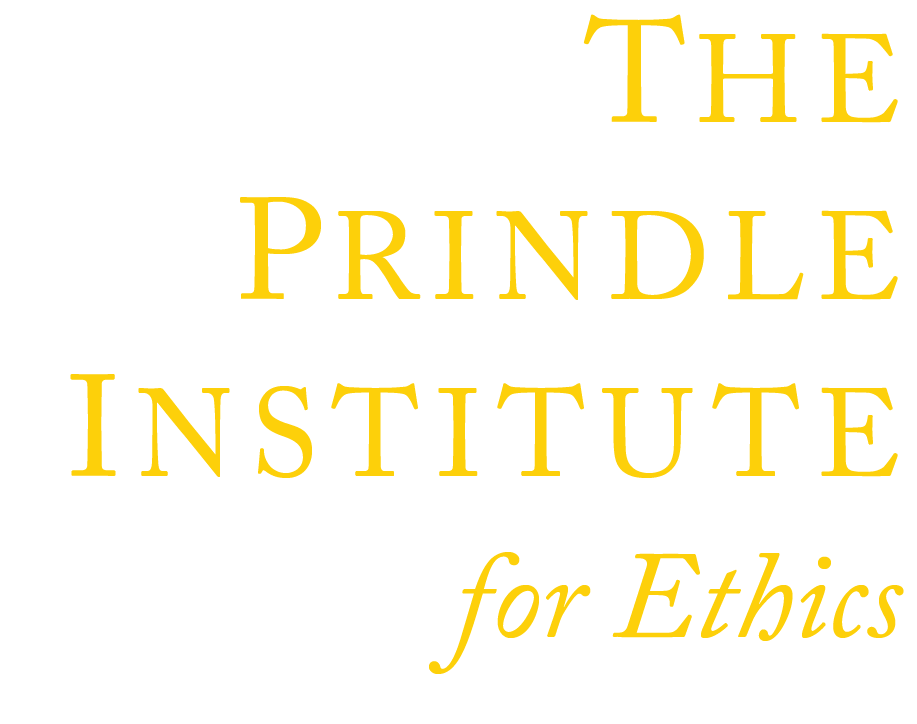
The Halloween Tree
Book Module Navigation
Summary
Ray Bradbury’s The Halloween Tree follows a group of children on Halloween night as they set out in costumes for trick-or-treating. When one of their friends, Pipkin, mysteriously disappears, they encounter the strange figure of Carapace Clavicle Moundshroud, who leads them on a magical journey through time and across cultures. They visit ancient Egypt, Celtic druid rites, the Day of the Dead in Mexico, medieval Europe, and more—learning how different people have understood death, ghosts, and the rituals of Halloween. Their journey is at once eerie and illuminating, forcing the children to think about mortality, memory, and what it means to live fully.
Sensitivity Note: This story includes direct references to death, skeletons, funerary rituals, and cultural traditions of mourning. While Bradbury’s tone is imaginative and respectful, some children may find these themes unsettling. Teachers may wish to introduce the book with care, let students know it deals with death across cultures, and provide space for children to share their own feelings or beliefs if they wish.
Guidelines for Discussion
The Halloween Tree gives students the chance to wrestle with questions that are both unsettling and deeply meaningful. At its core, the book is about mortality. Pipkin’s absence hovers over the story, and the children’s encounters with different cultures’ rituals all circle back to the question of what death means. Teachers can help students reflect on why humans fear death, whether remembering the dead makes it less frightening, and what it means to honor those who have passed. These questions can be approached gently, making space for students’ personal experiences and cultural backgrounds, and reminding them that different people have different beliefs about death.
The story also emphasizes the cultural meaning of traditions. Halloween is presented not as a night of candy and costumes but as the echo of long, varied rituals about life, death, and change. As the children travel from ancient tombs to village festivals, they come to see how deeply human beings need rituals to understand mortality. In discussion, teachers can draw out questions about why people invent traditions, whether traditions must stay the same or adapt, and what these practices reveal about how we face things we cannot control. Students may be surprised to find that beneath all the differences—pyramids, bonfires, skeleton masks—there are shared human impulses to remember, to celebrate, and to grieve.
Another thread is friendship and sacrifice. Pipkin is not just absent—he is in peril. The children must consider what they are willing to do for him, and whether his life is worth risking their own. This part of the story raises questions about loyalty, what makes friendship valuable, and whether we owe special obligations to friends that we do not owe to strangers. Teachers can encourage students to consider real-life situations: Have you ever done something difficult for a friend? Should we treat everyone equally, or is it right to show special devotion to those closest to us?
Finally, the book invites reflection on the meaning of life. By traveling through so many visions of death, the children are confronted with their own mortality. Bradbury’s message is that remembering death is not only about fear—it can also make life more vivid. Teachers can guide students to ask whether awareness of death changes how we live, whether “a full life” is measured by length or by what we do with our time, and how memory connects the living to those who came before. This theme helps turn the story from a spooky adventure into a meditation on what it means to be human.
Because the book moves through several cultures and eras, students may benefit from pausing to reflect at different points, rather than saving all discussion for the end. Each culture the children visit provides a natural opening for questioning: Why do the Egyptians preserve the body? Why do the Celts light bonfires? Why do families in Mexico decorate altars? Teachers can use these stopping points to invite curiosity and connect students’ thoughts back to the larger themes of mortality, tradition, friendship, and meaning.
Discussion Questions
Mortality
- Why do people fear death?
- Do you think remembering the dead makes death less frightening?
- What do you think happens when someone dies?
Cultural Meaning
- Why do so many cultures have holidays and rituals about death?
- Do you think Halloween is more about fear, fun, or remembrance?
- Should traditions change over time, or should they stay the same?
Friendship and Sacrifice
- Why are the children willing to risk so much for Pipkin?
- What makes someone a true friend?
- Do we owe more to our friends than to people we don’t know?
The Meaning of Life
- Does thinking about death make life more meaningful?
- What does it mean to live a “full” life?
- How should we remember the people who came before us?
Suggested Activity: Mapping Traditions of Death and Remembrance
This activity helps students connect the story’s journey through cultures to their own reflections. Teachers should begin by reviewing the stops the children make in the novel—ancient Egypt, Celtic Europe, Mexico’s Day of the Dead, medieval France, and others. On the board, list these cultures so students can refer to them.
Divide the class into small groups, assigning or allowing each group to select one tradition from the story. Provide each group with large paper or poster board, along with markers or other drawing supplies. Their task is to create a “map” or poster of that culture’s rituals surrounding death and remembrance as depicted in the book. Encourage groups to include both visual symbols (like pyramids, bonfires, masks, or sugar skulls) and written notes about what these practices meant to the people. Teachers should circulate and ask questions such as: “What does this ritual tell us about how this culture understood death?” or “Do you think this tradition shows fear, respect, or something else?”
When groups are finished, have them display their posters around the room. Lead the class in a gallery walk: students move from poster to poster, noticing similarities and differences. Afterwards, gather the class to debrief. Ask: Which traditions felt most familiar? Which were surprising? What do these traditions have in common, even across time and geography? How do they help the living cope with death?
To extend the activity, invite students to add a tradition they know from their own lives or family backgrounds. This can be as simple as lighting a candle, visiting a grave, or sharing stories about a relative. Sharing these practices allows the class to see how the themes in The Halloween Tree connect not only across cultures in the book but also across the lived experiences of the students themselves.
About the Prindle Institute
The Prindle Institute for Ethics equips people to deepen their understanding of different moral perspectives and to think critically about the inescapable ethical issues of our time. Through ethics education resources and interactive experiences, we bring communities together to fully engage with the ethical dimensions of their lives.
About Teaching Children Philosophy
Teaching Children Philosophy began with the philosopher, Dr. Tom Wartenberg, whose pioneering work showed how picture books can open the door to big ethical and philosophical questions. Today, The Prindle Institute serves as the digital home for the library, expanding and maintaining this growing collection of guides so educators everywhere can bring lively, thoughtful dialogue into their classrooms.
Further Resources
Some of the books on this site may contain characterizations or illustrations that are culturally insensitive or inaccurate. We encourage educators to visit the Association for Library Service to Children’s resource guide for talking to children about issues of race and culture in literature. They also have a guide for navigating tough conversations. PBS Kids’ set of resources for talking to young children about race and racism might also be useful for educators.
Philosophy often deals with big questions like the existence of a higher power or death. Find tips for leading a philosophical discussion on our resources page.
