

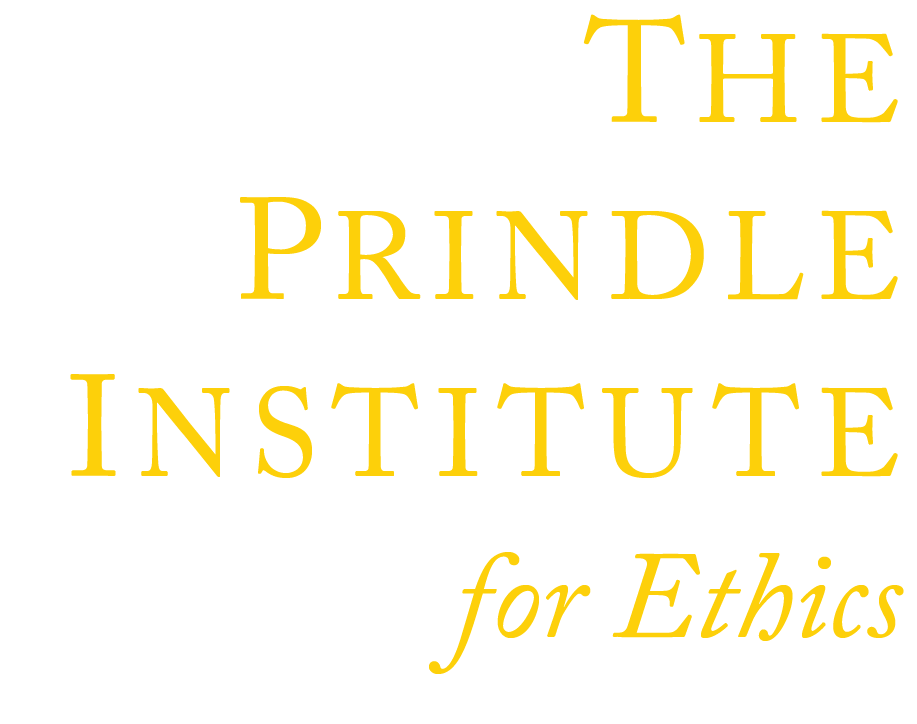
In Which Pooh and Piglet Go Hunting and Nearl..
Book Module Navigation
Summary
On a fine winter’s day, Piglet looks up from sweeping the snow outside his house to find Winnie-the-Pooh walking round and round in a circle. Pooh explains that he is hunting. What he is hunting, he isn’t quite sure, but there are paw-marks in the snow, and Piglet wonders whether they might belong to a Woozle. The two friends set off together, following the tracks around a small spinney of larch trees. Soon there seem to be two animals. Then three. Then four. Piglet suddenly remembers something very important he must do at home, and Pooh grows more anxious with every step, until a whistle from a nearby oak tree reveals Christopher Robin, who has been watching the whole time and gently points out what has really been happening. This beloved chapter from A. A. Milne’s Winnie-the-Pooh, first published in 1926, raises questions about evidence and knowledge, imagination and fear, honesty, and what it means to make a mistake.
Guidelines for Discussion
“In Which Pooh and Piglet Go Hunting and Nearly Catch a Woozle” is one of the shortest stories in Winnie-the-Pooh, and it reads aloud comfortably in a single sitting. pThe joke at the heart of the story is one children often spot before Pooh does, and that is exactly what makes it such a good starting point for philosophy. It invites children to ask how we know what we think we know, and how two thoughtful friends could get something so wrong.
One natural starting point is evidence and knowledge. The paw-marks in the snow are real; Pooh and Piglet are not imagining them. The trouble lies in what they conclude from them. Children can think about the difference between what the tracks actually show and what Pooh and Piglet decide they mean. When the number of tracks keeps growing, is that good evidence that more animals have joined, or could something else explain it? Pooh himself admits that you never can tell with paw-marks, which raises a puzzle: if you can’t tell, why keep following? The story also offers a lovely model of checking an idea. Once Pooh suspects the truth, he fits his own paw into one of the tracks. Children can talk about what it means to test an idea rather than simply believe it. Older children may also enjoy the opening scene, in which Piglet decides that Christopher Robin having two names proves his grandfather had two names as well. Is that really a proof?
A second theme is imagination and fear. Neither friend has ever seen a Woozle, and Pooh is not even sure what he is hunting, yet the creature grows more real and more frightening with every lap around the spinney. By the time a mysterious Wizzle has joined the group, both friends are licking their noses nervously. Children can discuss how imagination fills in the gaps in what we know, and how fear can grow from things we have never actually seen. Why might the unknown feel scarier than something we understand? Can something that doesn’t exist still make us feel afraid?
The story also opens questions about honesty and courage. Just as things get tense, Piglet remembers an urgent task that can only be done between twelve and five past twelve. Most readers recognize this as an excuse. Children can explore whether Piglet was being dishonest, whether it was okay for him to leave, and whether there is anything wrong with protecting yourself with a small fib. Is it brave to stay when you are scared, or sensible to go? Children often have strong and divided views about Piglet, which makes this a lively place for disagreement.
Finally, the ending raises questions about mistakes and friendship. When Pooh realizes what has happened, he calls himself Foolish and Deluded, a Bear of No Brain at All, and Christopher Robin answers that he is the Best Bear in All the World. Children can consider whether making a foolish mistake means you are foolish, and whether what Pooh and Christopher Robin say could both be true at once. They might also notice that Christopher Robin watched from his tree while Pooh went around the spinney three times before saying anything. Should he have spoken up sooner? Is it ever kind to let someone discover a mistake for themselves?
It would be easy to treat this chapter as a simple lesson about paying attention or not jumping to conclusions. But Milne leaves a good deal open. Pooh’s mistake is an understandable one, Christopher Robin’s reassurance arrives only after a long while of watching, and Pooh moves on to lunch without much fuss at all. Facilitators should resist summing up the story with a moral, and instead help children reason about evidence, imagination, and mistakes in their own lives, giving reasons for their views and listening carefully to classmates who see things differently.
Discussion Questions
Evidence and Knowing
- What did the tracks in the snow actually show? What did Pooh and Piglet decide they meant?
- Pooh says you never can tell with paw-marks. How can we tell when something is good evidence?
- How did Pooh finally figure out the truth? How do you check whether something you believe is really true?
Imagination and Fear
- Why do you think Pooh and Piglet got more nervous as the tracks multiplied?
- How can something we have never seen still make us afraid?
- Have you ever been scared of something that turned out to be nothing at all? What happened?
Honesty and Courage
- Why do you think Piglet suddenly remembered something he had to do?
- Was Piglet’s excuse a lie? What makes you think so?
- When you are scared, how do you decide whether to stay or to leave?
Mistakes and Friendship
- Pooh calls himself a Bear of No Brain at All, and Christopher Robin calls him the Best Bear in All the World. What do you think, and why?
- What is the difference between making a foolish mistake and being foolish?
- Christopher Robin watched from his tree before saying anything. Should he have told Pooh and Piglet sooner? Why or why not?
Suggested Activity: Track Detectives
In this activity, students become trackers themselves and experience how easily evidence and imagination can get tangled together. Begin by having each student trace one of their shoes on paper, cut out the footprint, and write their initials on the back. Collect the footprints, and while students cover their eyes or wait in another part of the room, lay them out in a trail that loops around a table or reading rug. Add a few new footprints each time the trail goes around, so that it seems to grow, just as the Woozle tracks did.
Invite a few volunteers to follow the trail and report what they think happened: How many creatures passed this way? Which direction were they going? What might they be? As the trackers report, keep a two-column chart on the board labeled “What We Can See” and “What We Are Guessing.” Younger students can answer aloud while you record their ideas, and older students can keep charts of their own. Along the way, ask questions like: How do you know that? Could anything else explain these tracks? How could we check?
Finally, let students test their ideas the way Pooh did, by matching the footprints to their own feet and turning them over to find the initials. Then bring the group together to reflect. Which of our ideas came from evidence, and which were guesses? How did our imaginations help us, and how did they trick us? What might have helped Pooh and Piglet figure things out sooner? This activity turns the story’s gentle joke into a hands-on way of thinking about evidence, imagination, and how we come to know things.
About the Prindle Institute
The Prindle Institute for Ethics equips people to deepen their understanding of different moral perspectives and to think critically about the inescapable ethical issues of our time. Through ethics education resources and interactive experiences, we bring communities together to fully engage with the ethical dimensions of their lives.
About Teaching Children Philosophy
Teaching Children Philosophy began with the philosopher, Dr. Tom Wartenberg, whose pioneering work showed how picture books can open the door to big ethical and philosophical questions. Today, The Prindle Institute serves as the digital home for the library, expanding and maintaining this growing collection of guides so educators everywhere can bring lively, thoughtful dialogue into their classrooms.
Further Resources
Some of the books on this site may contain characterizations or illustrations that are culturally insensitive or inaccurate. We encourage educators to visit the Association for Library Service to Children’s resource guide for talking to children about issues of race and culture in literature. They also have a guide for navigating tough conversations. PBS Kids’ set of resources for talking to young children about race and racism might also be useful for educators.
Philosophy often deals with big questions like the existence of a higher power or death. Find tips for leading a philosophical discussion on our resources page.
