

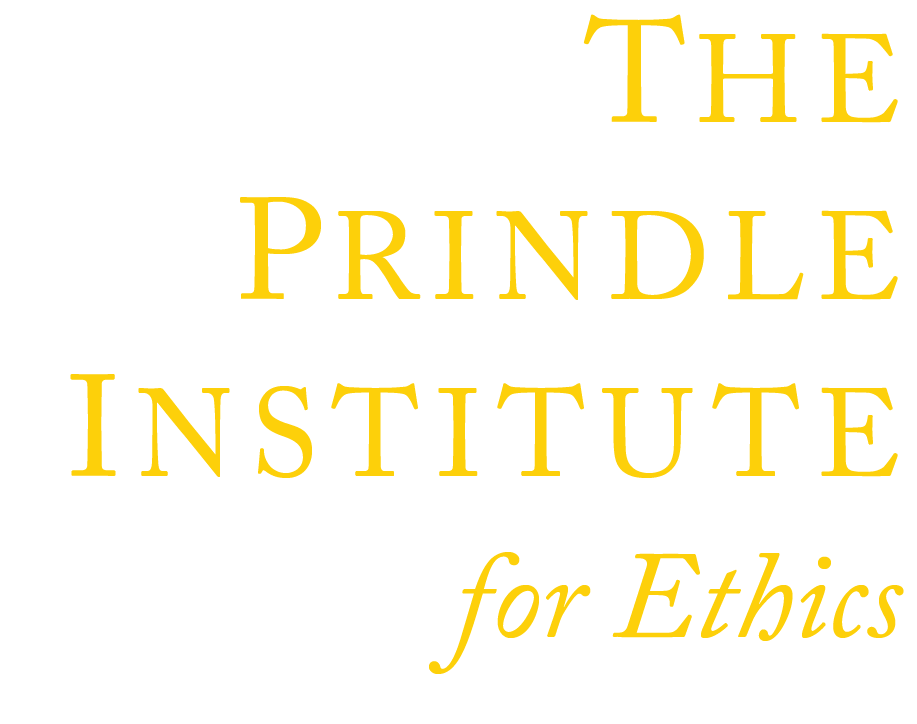


Malala’s Magic Pencil
Book Module Navigation
Summary
Malala’s Magic Pencil is the autobiographical picture book by Nobel Peace Prize–winner Malala Yousafzai. As a child in Pakistan, Malala dreams of having a magic pencil that could draw away problems—erasing garbage, stopping war, and ensuring fairness. As she grows older, she realizes that while no magic pencil exists, her words and voice can change the world. This inspiring story introduces children to themes of justice, courage, education, and the power of speaking up.
Sensitivity Note: The story touches on poverty, inequality, and violence. Although told in a gentle, age-appropriate way, some children may have questions about conflict or why girls were not allowed to attend school. Facilitators should be ready to provide context and reassurance, emphasizing Malala’s hope, resilience, and the positive impact of her voice.
Guidelines for Discussion
Malala’s Magic Pencil offers a rich entry point into philosophical conversations about fairness, imagination, courage, and the power of individual voices. A facilitator does not need to be a philosopher to guide discussion—simply encouraging children to reflect on Malala’s story and relate it to their own experiences will open space for meaningful dialogue.
One central theme is fairness and justice. Malala notices that some children must work instead of going to school, and that girls are treated differently than boys. These observations allow children to ask: What does it mean for something to be fair? Is fairness about everyone having the same opportunities, or about making sure everyone gets what they need? The book makes these abstract questions concrete and approachable by grounding them in Malala’s everyday experiences.
Another theme is imagination and hope. Malala’s wish for a magic pencil shows how imagination can help us picture a better world. Facilitators can encourage children to think about the role of imagination in their own lives: Does imagining something make it more possible? How do our dreams inspire the actions we take? This raises philosophical questions about the relationship between ideas and reality.
The book also highlights courage and resilience. Malala continues to speak up for her right to education even when it is dangerous to do so. Children can reflect on what makes someone courageous—whether courage means not feeling fear at all, or feeling fear but acting anyway. Linking this to their own lives helps them see that small acts of courage, like standing up for a friend, are part of the same virtue.
Finally, Malala’s Magic Pencil emphasizes voice and agency. Malala discovers that her words are powerful tools for change, more powerful than any magic pencil. Facilitators can guide students to consider how each of us has a voice—through words, art, or action—and why it matters to use that voice to stand up for fairness. This connects to larger questions of responsibility: When we see unfairness, what should we do?
By exploring these themes, facilitators can help children move beyond admiration of Malala’s story to reflecting on their own ability to imagine, speak, and act for justice in their everyday lives.
Discussion Questions
Fairness and Justice
- What things did Malala notice that she thought were unfair?
- What does fairness mean—does it mean everyone is treated the same, or something else?
- Have you ever seen something unfair at school or in your community? What happened?
Imagination and Hope
- If you had a magic pencil, what would you draw?
- Can imagining something make it more possible? Why or why not?
- Why is it important to dream about a better world?
Courage and Resilience
- What made Malala courageous?
- Can someone be brave even if they feel afraid?
- Have you ever done something that felt brave to you?
Voice and Agency
- Malala said her words were more powerful than a magic pencil. What did she mean?
- How can words or voices change people’s minds?
- How can we use our own voices to make things more fair?
Suggested Activity: Your Own Magic Pencil
Invite students to imagine that they have their own magic pencil. Begin by revisiting Malala’s wishes—erasing poverty, ending war, and creating fairness—and ask students what they would want to change if they had the same power. Provide paper and art supplies, and ask each child to draw a picture of what they would create or change with their magic pencil.
As students work, facilitators can move around the room, asking questions like: Why did you choose this? How would this make life better for you, your family, or your community? When drawings are complete, students can share their work in small groups or with the whole class.
Conclude with a reflective discussion: Even though we don’t have magic pencils, what are some real things we can do—using our voices, our kindness, or our actions—to help bring about the changes we want? This activity reinforces the lesson that imagination can inspire action, and that each person has the power to contribute to fairness and justice.
About the Prindle Institute
The Prindle Institute for Ethics equips people to deepen their understanding of different moral perspectives and to think critically about the inescapable ethical issues of our time. Through ethics education resources and interactive experiences, we bring communities together to fully engage with the ethical dimensions of their lives.
About Teaching Children Philosophy
Teaching Children Philosophy began with the philosopher, Dr. Tom Wartenberg, whose pioneering work showed how picture books can open the door to big ethical and philosophical questions. Today, The Prindle Institute serves as the digital home for the library, expanding and maintaining this growing collection of guides so educators everywhere can bring lively, thoughtful dialogue into their classrooms.
Further Resources
Some of the books on this site may contain characterizations or illustrations that are culturally insensitive or inaccurate. We encourage educators to visit the Association for Library Service to Children’s resource guide for talking to children about issues of race and culture in literature. They also have a guide for navigating tough conversations. PBS Kids’ set of resources for talking to young children about race and racism might also be useful for educators.
Philosophy often deals with big questions like the existence of a higher power or death. Find tips for leading a philosophical discussion on our resources page.
