

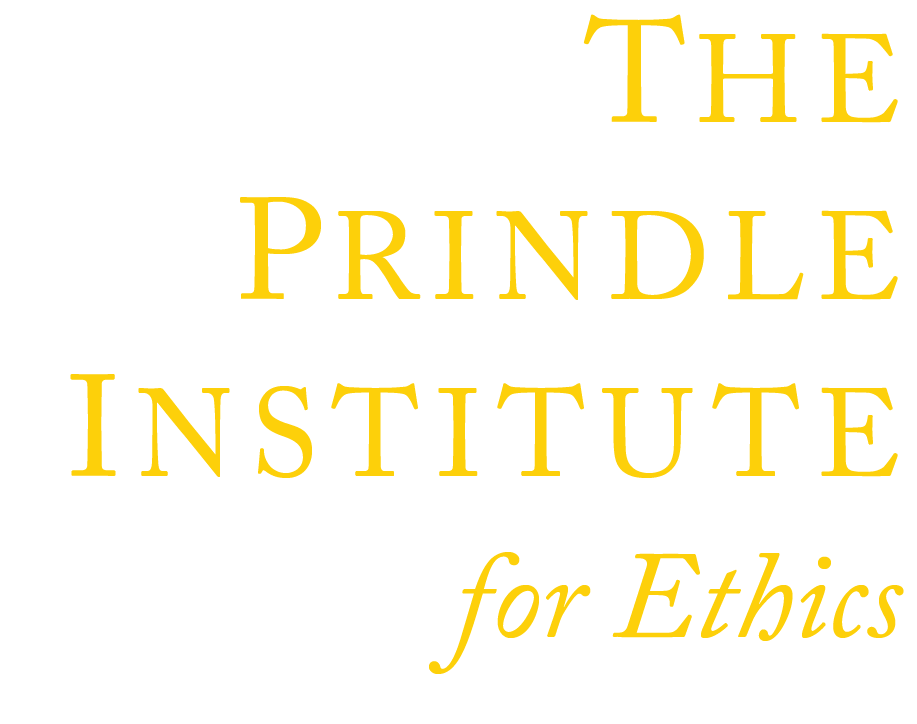


How the Grinch Stole Christmas!
Book Module Navigation
Summary
How the Grinch Stole Christmas! tells the story of a character who believes he understands Christmas perfectly—and despises it. Living alone above Whoville, the Grinch watches the Whos prepare for Christmas with music, decorations, and feasting. Convinced that Christmas is nothing more than noise and material excess, he devises a plan to steal every present, decoration, and bit of food from the town. Disguised as Santa, he succeeds—or so he thinks.
On Christmas morning, the Grinch waits for the sorrow he expects to hear. Instead, the Whos gather together, holding hands and singing, even without their gifts. Confronted with this unexpected response, the Grinch begins to question his assumptions. He realizes that Christmas means more than what can be bought or taken away, and his heart famously “grows three sizes.” The story ends with the Grinch returning the stolen items and joining the Whos in celebration.
The book invites philosophical reflection on misunderstanding, transformation, and the nature of meaning. Rather than presenting the Grinch as simply “bad,” the story encourages readers to think about why people sometimes reject what they do not understand—and what it takes to change one’s mind.
Guidelines for Discussion
How the Grinch Stole Christmas! offers a powerful starting point for philosophical inquiry because it centers on a deep misunderstanding rather than simple wrongdoing. The Grinch does not merely dislike Christmas; he believes he has figured it out. In his mind, Christmas is reducible to noise, clutter, and consumption, and once those things are removed, nothing meaningful should remain. This makes the story especially useful for helping students examine how beliefs—especially mistaken or incomplete ones—shape how we treat others.
Teachers can invite students to consider the difference between disagreeing with others and misunderstanding them. The Grinch assumes that because he does not value the Whos’ traditions, those traditions must be empty. This opens a philosophical discussion about perspective: Can something be meaningful to others even if it does not matter to us? How do we know when we truly understand another person’s values? These questions encourage children to practice intellectual humility and to recognize the limits of their own viewpoints.
The story also provides a rich case study in moral change. The Grinch’s transformation is sudden, but it is not magical in the usual sense. His heart grows when he encounters evidence that contradicts his expectations. Facilitators can guide students to reflect on what actually prompts the change: Is it guilt, surprise, empathy, or learning something new? This invites inquiry into whether moral growth comes from reflection, emotional experience, social connection, or some combination of all three. Rather than treating the Grinch’s change as a fairy-tale ending, students are encouraged to examine how real people revise their beliefs.
Another key theme is the nature of meaning itself. When Christmas “comes” without presents, students are confronted with an important philosophical question: What kind of thing is Christmas? Is it an object, an event, a feeling, a practice, or a relationship? This discussion helps children distinguish between material goods and shared experiences, and to consider whether the most important aspects of life can be owned, measured, or taken away. The story thus supports inquiry into value without moralizing, allowing students to articulate and challenge their own ideas.
Finally, the Whos’ response to the Grinch raises questions about forgiveness, inclusion, and community membership. The Whos do not demand an apology before welcoming him, nor do they exclude him because of his past actions. Teachers can help students explore whether forgiveness must be earned, what it means to belong to a community, and how communities decide when someone has changed enough to be welcomed back. These discussions naturally reinforce the norms of a Community of Philosophical Inquiry, where listening, openness, and the possibility of revision are central.
Taken together, the story encourages students to see moral understanding not as following rules, but as learning to see others—and ourselves—more clearly.
Discussion Questions
Understanding and Misunderstanding
- Why does the Grinch hate Christmas so much?
- Do you think he understands what Christmas means to the Whos? Why or why not?
- Can you dislike something because you misunderstand it?
Meaning and Value
- What does the Grinch think Christmas is at the beginning of the story?
- What does Christmas seem to mean to the Whos?
- Can something still matter even if you take away all the objects connected to it?
Change and Moral Growth
- What causes the Grinch’s heart to change?
- Do people change because they decide to—or because something happens to them?
- Can someone be a “bad” person and still become good?
Community and Forgiveness
- Why do you think the Whos welcome the Grinch at the end?
- Should the Grinch have been punished instead? Why or why not?
- What makes someone part of a community?
Suggested Activity: What Can't Be Stolen?
Begin by gathering students in a circle and reminding them of the Grinch’s plan: to steal Christmas by taking things away. Ask students to list what the Grinch stole, writing their ideas where everyone can see them—presents, food, decorations, even trees. Then pose a new question: What did the Grinch fail to steal? Give students a moment to think quietly before inviting responses.
As students share, encourage them to name non-physical things such as happiness, togetherness, singing, love, or traditions. Help the group notice the difference between things you can hold and things you can only experience. This distinction provides a natural bridge into philosophical reflection: Why can’t some things be stolen? Are they more important than things you can buy?
Next, invite students to choose one thing they believe “can’t be stolen” and draw or write about it. Younger students might draw a picture of friends singing or a family meal; older students might write a few sentences explaining why their chosen value matters. Emphasize that there are many good answers and that disagreement is welcome.
When students are ready, invite volunteers to share. As they do, encourage the class to listen for reasons: Why does this thing matter? How do we know it can’t be taken away? Use these responses to guide a short community discussion about meaning and value.
To close, connect the activity back to the story by asking: “If the Grinch understood these things from the beginning, do you think he would have tried to steal Christmas at all?” This final question helps students see how philosophical reflection—about meaning, misunderstanding, and value—can shape how we treat others.
About the Prindle Institute
The Prindle Institute for Ethics equips people to deepen their understanding of different moral perspectives and to think critically about the inescapable ethical issues of our time. Through ethics education resources and interactive experiences, we bring communities together to fully engage with the ethical dimensions of their lives.
About Teaching Children Philosophy
Teaching Children Philosophy began with the philosopher, Dr. Tom Wartenberg, whose pioneering work showed how picture books can open the door to big ethical and philosophical questions. Today, The Prindle Institute serves as the digital home for the library, expanding and maintaining this growing collection of guides so educators everywhere can bring lively, thoughtful dialogue into their classrooms.
Further Resources
Some of the books on this site may contain characterizations or illustrations that are culturally insensitive or inaccurate. We encourage educators to visit the Association for Library Service to Children’s resource guide for talking to children about issues of race and culture in literature. They also have a guide for navigating tough conversations. PBS Kids’ set of resources for talking to young children about race and racism might also be useful for educators.
Philosophy often deals with big questions like the existence of a higher power or death. Find tips for leading a philosophical discussion on our resources page.
