Why the New Surveillance Doesn’t Feel Like Surveillance at All


 SHARE
SHARE
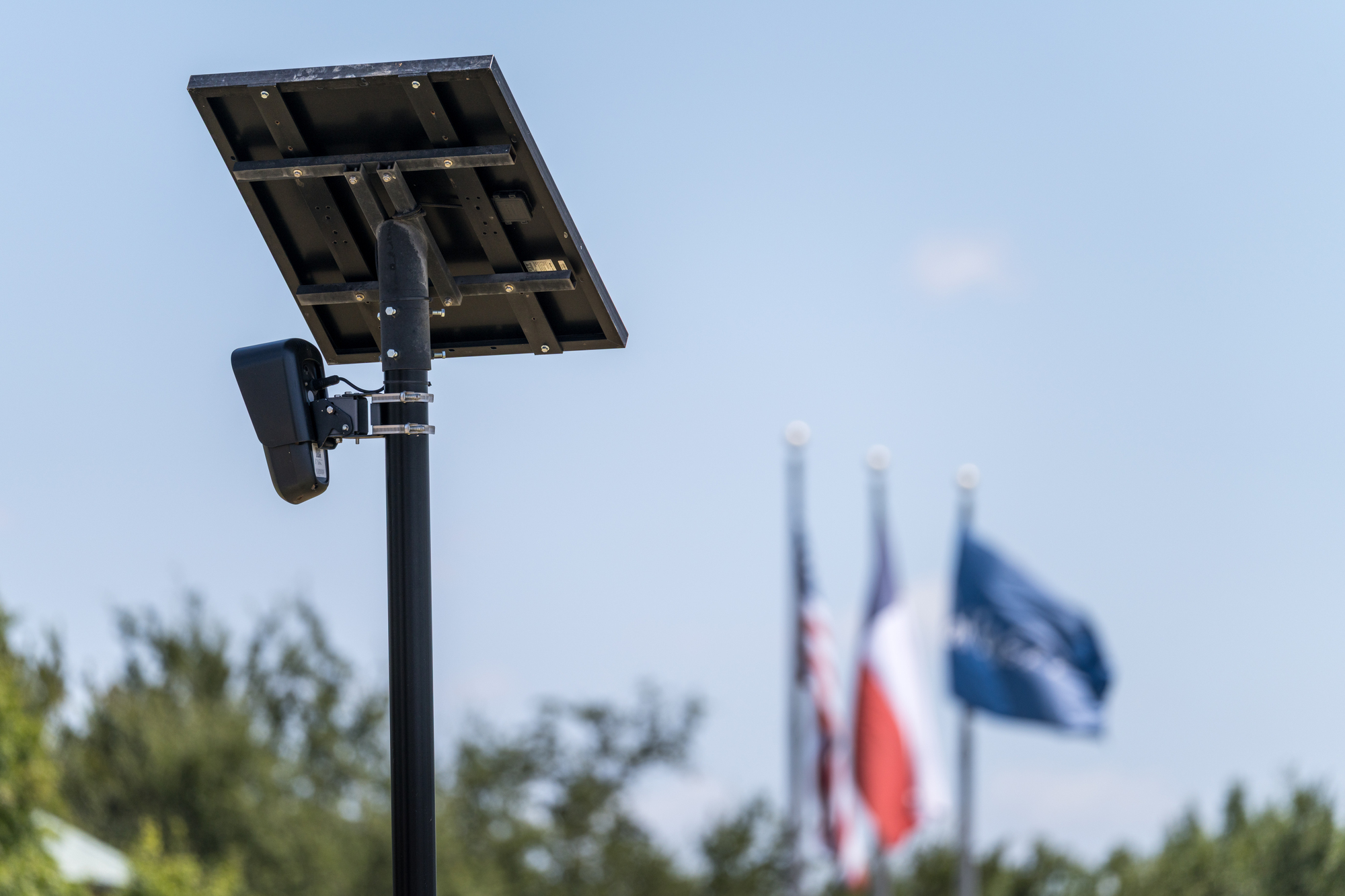
This month, Americans have been taking their anger at license plate cameras into their own hands. Concern about technologies like Flock Cameras has grown alongside reports of their misuse. Take, for example, the Central Florida police officer who was accused of using Flock cameras to track his estranged wife’s vehicle hundreds of times. Organizations such as the ACLU have called Flock a major civil liberties threat. And amid mounting backlash, Americans have turned to spray painting, cutting down, and shooting down the cameras in droves.
It might seem that people across the country are becoming newly conscious of surveillance. But while we recoil from license plate cameras, there are millions of us willingly handing over our data to AI companies. We confess things to chatbots we wouldn’t even admit to our closest friends — like our deepest fears, secrets, doubts, and symptoms. We do so, at least in part, because these conversations are free, convenient, and come without the embarrassing social stigma of making these facts public record. But while our online confessions might feel private and inconsequential, they form a record of human behavior that’s both unusually candid and unusually valuable to the corporations that collect it.
I’ll call this record of human behavior our digital dirty laundry. We don’t need to look to Silicon Valley or tech talks for how to understand why it’s important. Instead (perhaps surprisingly), we can get insight on it from feminist thinking about race, class, and gender. Thinkers like sociologist Patricia Hill Collins and philosopher Alison Wylie have shown how marginalized people are often forced to navigate a society that doesn’t regard them as equals. But that position can sometimes give them access to information that remains hidden from social insiders. A maid, for instance, may notice lipstick on her employer’s collar because he doesn’t see her as a peer worth hiding his peccadillos from.
In some ways, chatbots occupy a similar position to the maid. The maid has access to her employer’s dirty laundry because of her social position. Chatbots gain access to our digital dirty laundry in a similar way: by us letting them into the parts of our lives we ordinarily keep hidden. For years now, researchers have found that people are more willing to reveal sensitive information to computers than to other humans, especially when they have to talk about stigmatized activities like drugs, crime, unsafe sex, and suicidal thinking. They disclose these things because interacting with a machine produces a sense of anonymity, invulnerability, and reduced social judgment.
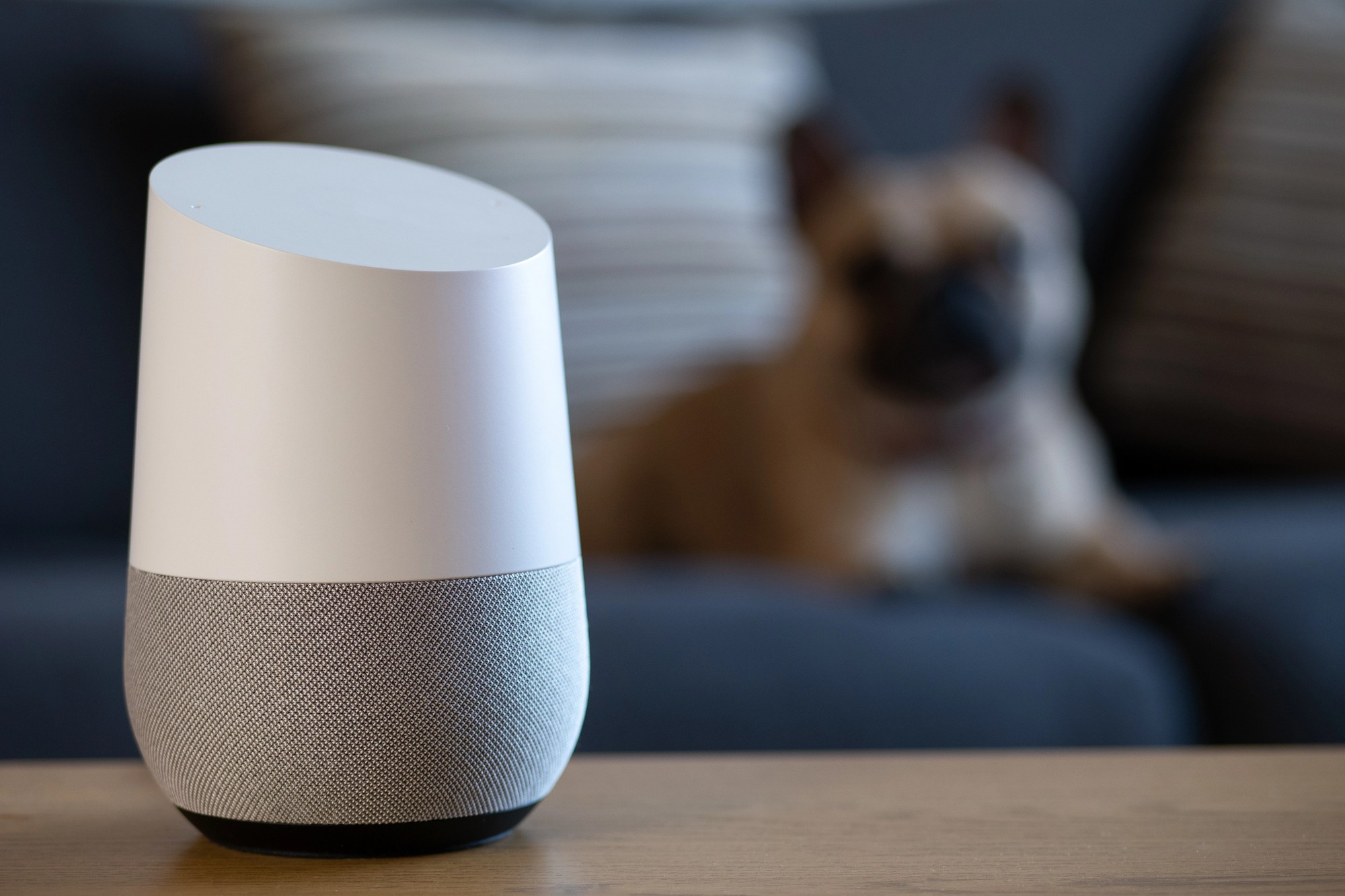
The rise and rapid adoption of conversational AI has given this old phenomenon a new form. People now turn to ChatGPT as an informal therapist; sexual conversations like erotic roleplay and image generation make up a noticeable share of chatbot use, and overall, people may even prefer bots to humans when discussing embarrassing health questions. It seems that the more conversational these systems become, the easier it is to forget that a disclosure to a chatbot is still disclosure to a corporate product.
Like the maid who is present in the household but never treated like a peer, chatbots are welcomed into intimate parts of our lives without triggering our instinct to manage how we’re seen by others. We’re handing over scads of unusually candid information because we think of chatbots as socially invisible. A maid’s access to information, however, is limited to the household she works for, and so our dirty laundry usually stays local; and it’s aired in the form of rumors or gossip. Our digital dirty laundry is different: it’s collected and stored at massive scale by AI companies across the globe. Whether or not this dynamic is an intentional part of their design, it has effectively turned our treatment of non-peers into a source of corporate value.
So, while Flock cameras watch where we go, our digital dirty laundry forms an extensive record of what we think, fear, want, regret, and hide. There are countless examples: a new mother asks ChatGPT if it’s normal that she doesn’t feel like she’s bonding with her baby. A college student asks Gemini whether their drinking is really a problem, too embarrassed to tell their doctor (or anyone else they know). An executive confesses to Claude that he hates his job. These are the kinds of intensely personal disclosures that people may make precisely because the social consequences of asking a chatbot feel low.
Put millions of those low-stakes confessions together, and AI companies gain something traditional surveillance rarely provides: a record of what people say when they think the social stakes are near-zero. A one-way window into our most private thoughts and behaviors — the things we don’t (and won’t) tell anyone else.
Our ordinary picture of surveillance is built around the idea of being watched. But what if surveillance also meant creating the kinds of conditions that lead us to give our data over willingly? Cameras trigger resistance because they’re obvious — we can watch them watching us — and the ways that they might be misused are obvious, too, as in the case of the officer allegedly stalking his estranged wife. Chatbot data collection is easier to overlook because it takes the form of a conversation with something that feels unthreatening. But that feeling can be misleading. The irony is that the systems we feel safest confessing to have the capacity to produce some of the most revealing records about us.
So, it’s good that Americans are beginning to resist cameras. We now recognize what surveillance looks like when it’s mounted on a pole outside. But if our outrage (and our policies) about privacy and surveillance are only directed at the technologies that literally watch us, then we’re missing a crucial part of our privacy problem. Perhaps the threat doesn’t always come from the technology taking our picture on the street; sometimes the call is coming from inside the house — from something we invited in because it seemed so friendly, inconsequential, and easy to talk to.