Being Believed Isn’t Always Enough


 SHARE
SHARE
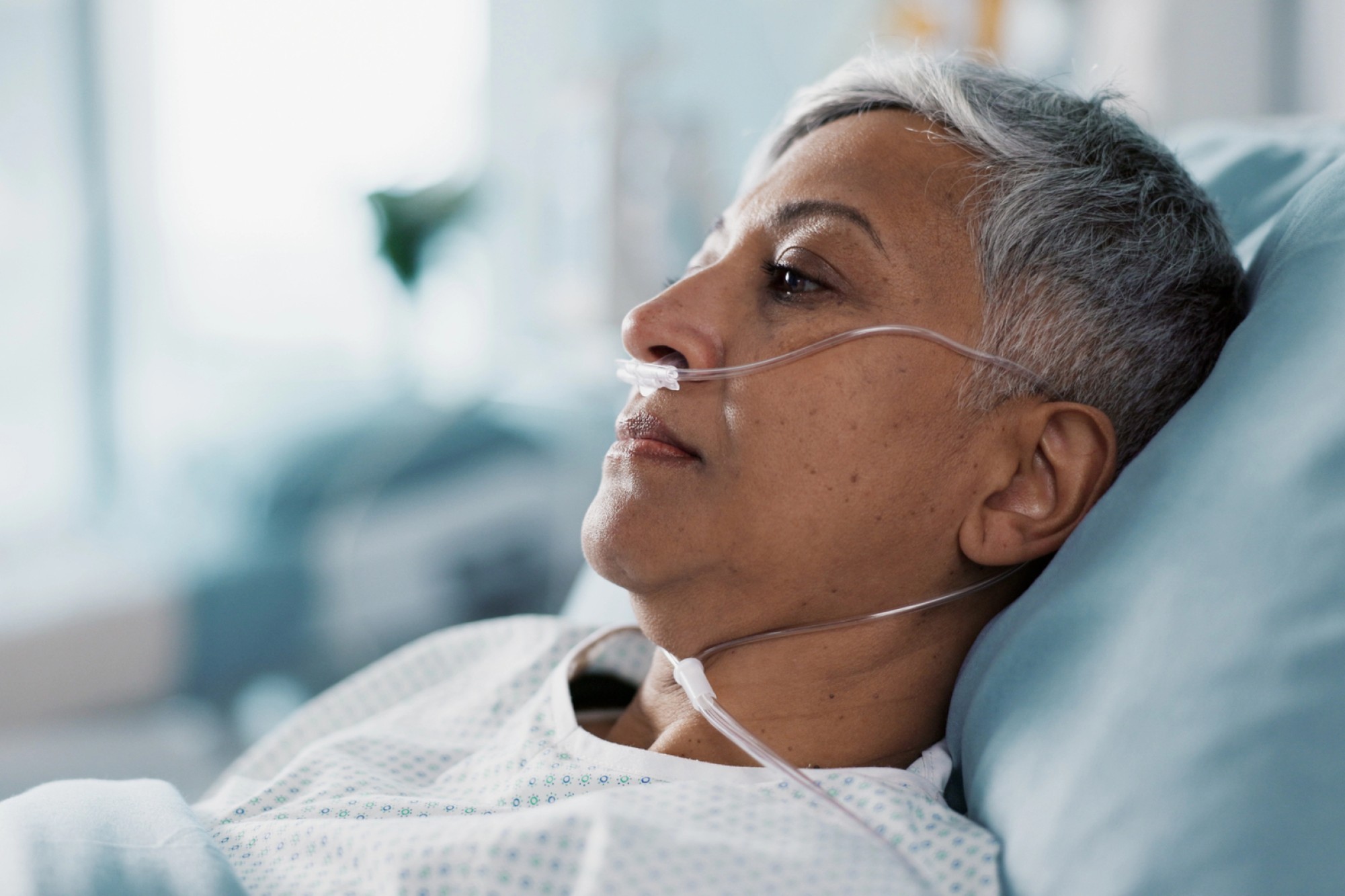
A review published on September 16th found widespread disparities in the medical treatment that men and women receive. When it comes to pain management, this imbalance is especially striking. Among patients presenting to emergency departments with nonspecific pain, women spend roughly 30 minutes longer than men in the emergency department, nurses are less likely to record female patients’ pain scores than male patients’ scores, and women are also less likely to receive pain medication when reporting the same level of distress as their male counterparts. Overall, women are often seen as exaggerating their pain, while men are seen as downplaying it.
On the surface, it might seem like this problem is fairly straightforward: women’s pain isn’t taken as seriously because women aren’t believed when they report it. But while there’s plenty of evidence that gendered stereotypes affect how physicians evaluate their patients, disbelief doesn’t really tell us the whole story. After all, believing someone is in pain doesn’t necessarily mean believing something needs to be done about it.
Medicine has a long (almost 4000-year!) history of acknowledging women’s symptoms while coming up with creative explanations for what’s causing them. The Kahun Gynecological Papyrus, dating to approximately 1800 BCE, describes disorders affecting women and attributes them to the wandering womb — the view that a woman’s uterus moves around the body, wreaking havoc. In ancient Greece, this framework took on Promethean proportions, becoming a kind of catch-all for symptoms affecting women: from daily complaints like headaches, anxiety, and pelvic pain to more alarming symptoms like seizures and paralysis. Eventually, this mysterious cluster of symptoms was named hysteria, for which physicians prescribed a variety of different treatments, including aromatherapy, sex, and even sneezing.
Through the Middle Ages, hysteria became intertwined with religion and morality, with symptoms becoming signs of women’s spiritual failings, traced back to Eve’s original sin. During the nineteenth century, hysteria gradually took on a medical veneer. Psychologists such as Sigmund Freud argued that hysteria was a mental response to trauma, repressed sexual desire, or an unconscious escape from responsibility. While this was a departure from earlier religious accounts, it continued the pattern of explaining women’s symptoms by pointing to their presumed deficiencies or sexual differences.
Hysteria (styled hysterical neurosis) was removed from the DSM in the 1980s, but the assumptions about hysterical women have proven more difficult to dislodge. Contemporary research continues to document related patterns: women are often represented as overly emotional or irrational in scientific writing; in clinical documentation, physicians devote more attention to women’s emotions, but more attention to men’s bodies; and in an experimental study, physicians presented with identical symptoms of coronary heart disease were more likely to attribute middle-aged women’s symptoms to a mental health condition than men’s.
So, the explanations may have changed, but the tendency to interpret women’s symptoms through assumptions about their nature has proven incredibly persistent. Feminist philosophers have offered some insight into how these assumptions contribute to the dismissal of women’s pain.
Philosopher Miranda Fricker’s concept of testimonial injustice describes what happens when prejudice causes someone to give less credibility to another person’s word. Though Fricker wasn’t targeting medical testimony at the time, philosophers have since used her account to explain how patients’ experiences can be dismissed or disbelieved. Consider a simple example: a doctor might dismiss a woman’s report of pain because they hold stereotypes about women exaggerating their symptoms. Under an account like Fricker’s, the harm isn’t just that the woman’s pain might go untreated; she’s also wronged as a knower, because she’s being treated as an unreliable source of knowledge about her own body.
To drive this point home, consider the recent, real-life case of Donna Davies, who underwent a vaginal mesh procedure nearly 20 years ago that left her feeling “that [she] was being cut by glass every time [she] moved.” Despite the severity of her pain, medical professionals failed to take her suffering seriously until her husband stepped in to advocate for her. One need not connect too many dots to understand why her account suddenly carried more weight when her husband spoke on her behalf.
However, not every case of women’s pain being dismissed is necessarily about credibility. Consider, for example, menstrual cramps. Most of the time, we believe women when they say they have cramps; in fact, we treat cramping as completely normal — a routine monthly botheration. And yet, the way menstrual cramps have been normalized can actually prevent people from treating severe menstrual pain as a cause for concern. Patients who think of their menstrual pain as normal often delay seeking medical care, while caregivers may fail to investigate its underlying causes. Both contribute to delays in the diagnosis and treatment of conditions like endometriosis.
In cases like this, the familiar story about credibility doesn’t capture the whole picture. Philosopher Jada Wiggleton-Little argues that a patient’s pain can be believed and nevertheless normalized. Here’s the disconnect: our reports of pain aren’t just reports of a fact about ourselves; they’re something like a call to action. Ordinarily, when we tell someone we’re in pain (particularly a physician), it gives them a reason to be concerned or offer their assistance. But when certain kinds of pain are treated as normal, then we start to think of them as something that simply must be lived with. Their significance gets discounted, and they stop eliciting the response they normally would, even when they’re believed.
So, consider again the women waiting longer in emergency departments, whose pain scores go unrecorded and who receive less (or no) medication for their pain. It’s incredibly tempting to think that these kinds of disparities could be resolved simply by believing women — in some cases, perhaps they could. But a physician can believe every word a woman says about her pain and still consider that suffering normal, inevitable, or otherwise not worth addressing.
And, of course, doctors aren’t the only people we ask to believe women. Nor is the doctor’s office the only place women are expected to endure suffering. Perhaps it’s worth remembering this when a woman comes forward to tell us she’s been hurt: it’s one thing to believe her testimony, and it’s another to recognize that something ought to be done about it.