
The War on Iran Is Bigger than Gas Prices


 SHARE
SHARE
As documented by the latest polls, the U.S.-Israeli war on Iran is the most unpopular military action the U.S. government has ever initiated. With net support at negative 32%, there is more opposition to the war on Iran than the Vietnam War, which is remembered as one of the most colossal foreign policy misadventures of America, causing long-term economic pain and enormous civilian harm.
Every war has its advocates who are tasked with rationalizing it to dubious constituents. Corporate media commentators and pro-war pundits invoke the checkered history of Iran-U.S. relations, the Iranian government’s deplorable human rights record, and its controversial nuclear program as having necessitated the conflict. Others, such as the late Senator Lindsey Graham, may even summon religious arguments to make the case for a glorified war.
But the best barometer for measuring the efficiency of the wars fought in modern times, especially in the aftermath of the 9/11 attacks, when the U.S. government committed itself to an open-ended military footprint across the Muslim world, are these expeditions’ outcomes: refugee crises, the rise of the far-right in the Western Hemisphere, hardening of authoritarianism in the Middle East, and emerging forms of extremism, especially on the internet.
Going to war is perhaps the most substantial decision that any government can make, and the resources that conflicts consume are unmatched by any other expenditure at times of peace. The effects of war endure for generations, and people’s experiences are fundamentally shaped by their exposure to conflict and the traumas it spawns.
The war on Iran, which is still raging with the administration of President Donald Trump using a combination of economic warfare, naval blockade, and periodic airstrikes across Iran’s territory, has created repercussions that have been, at best, catastrophic. Shockwaves have been sent through the energy markets, consumer prices have surged globally, and unspeakable civilian suffering in Iran has made life a daily struggle.
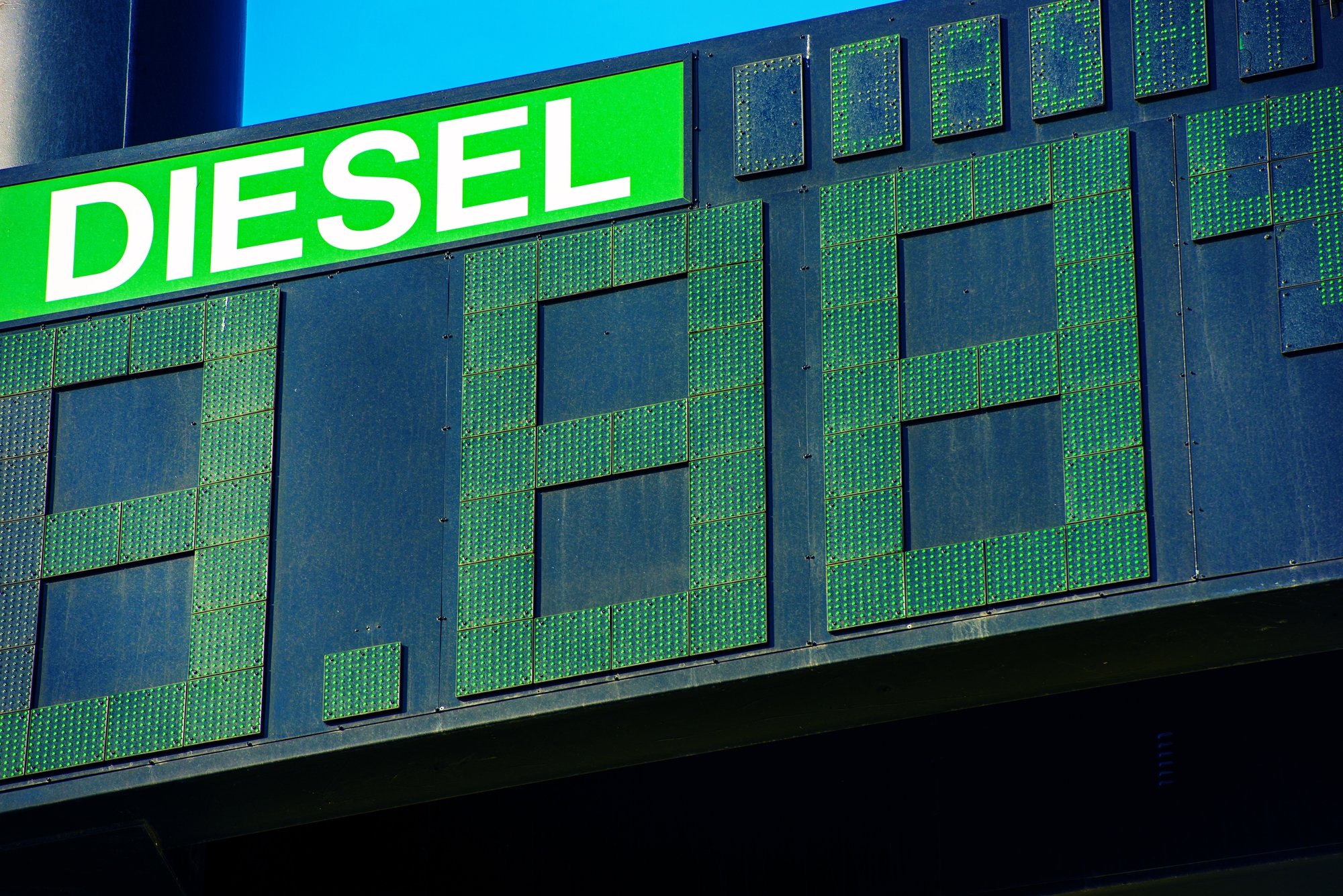
The war has also affected American people more acutely because the closure of the Strait of Hormuz in the Persian Gulf has prompted a rare spiral of gasoline and grocery prices worldwide that the architects of the war in Washington and Tel Aviv didn’t anticipate or perhaps didn’t take into account when conceiving their intervention plans. The economic turmoil caused by the war is one of the primary reasons it is so unpopular.
On an almost daily basis since the conflict began, cable TV networks and major publications have been keeping a tab on the price of oil and gas, questioning the administration officials at different press briefings about the measures that are being taken to reopen the Strait of Hormuz. In street interviews aired by local broadcasters, American citizens are asked about how the surge in prices due to the war has affected them.
“Pain at the pump” appears to be a narrow scope for understanding this rare historical juncture and its repercussions. This war, and the way it has been prosecuted, should be alarming for other reasons not commonly part of the discourse these days.
In legal terms, the hostilities that were commenced against Iran on February 28 constitute a war of aggression. On December 14, 1974, the United Nations General Assembly adopted by consensus resolution 3314 to provide a binding definition of aggression, which encompasses a broad range of actions taken by states when those acts do not have authorization from the UN Security Council.
Article 1 of the resolution defines aggression as “the use of armed force by a State against the sovereignty, territorial integrity or political independence of another State,” and the subsequent articles exemplify it more concretely. Acts such as military attacks against the territory of another state, blockade of the ports of another sovereign nation, and the deployment of armed bands and mercenaries against another state have all been listed as qualifying as instances of aggression.
The resolution also dictates that “no consideration of whatever nature, whether political, economic, military or otherwise, may serve as a justification for aggression.” Legal scholars have expanded on these definitions and made the case that absent a credible self-defense justification or retaliatory nature, unilateral military action amounts to a war of aggression, which the Nuremberg Tribunal described as the “supreme international crime” in the 1940s.
Beyond the loss of human life, the extensive destruction of Iran’s civilian infrastructure, including UNESCO World Heritage Sites, archaeological landmarks, universities, pharmaceutical companies, media institutions, houses of worship, and transportation bridges, often accompanying an unapologetic rhetoric of schadenfreude, has laid bare the callous nature of the war. Such disregard for the civilian suffering that’s being inflicted on another nation invites a reckoning over values that are being eroded piecemeal, and which the United States has traditionally volunteered to champion.
These values have not been weakened only because of the war on Iran. Over the past two years, the dominant narrative about immigrants, religious minorities, women, people with disabilities, and many other groups has been tinted with a rare dose of belligerence. The same applies to discourse about other countries, foreign leaders, and even domestic political opponents.
Government officials liberally use expletives and obscenities in their public statements while giving passionate statements about the importance of religion. ICE violence has resulted in an unprecedented number of deaths and other injustices, wrongfully removing people from America who hadn’t violated the law. These are symptoms of the degradation of ethics in a society where honesty and integrity have always been taught as virtues.
It has now come to light that, for the first time in 50 years, 15 of the 30 indicators of democratic governance, as measured by the Sweden-based International Institute for Democracy and Electoral Assistance (IDEA), have declined in the United States, and the country is no longer considered to be founding its alliances on democratic principles.
For decades, the United States has been exporting state-of-the-art technology, life-saving medical research, envied products of arts and culture, and educational innovations to the world. If this steady progress has been punctuated by an unaccountable administration that wishes to turn militarism into America’s new brand, institutions that are tasked with educating the public must fulfill their responsibility and communicate the facts of war and how it’s felt worldwide.
The White House riding roughshod over other nations is not what a majority of Americans would endorse, especially if they learn that the war in Iran was not even based on sound intelligence assessments. The illegal war has not only killed 120 children attending school in one instance but also turned pain into the routine experience of millions of Iranians as they contend with a fresh wave of onerous sanctions.
A wedding ceremony turning into a funeral, a sports hall being reduced to rubble, a music academy vanishing under drone attacks, and a young man losing his wife and 11 other family members in aerial bombardments, are the effects of this conflict. Whether or not these events are covered in the news, they have changed countless people’s lives in almost irreversible ways. A lack of coverage cannot undo the fait accompli.
To ensure the continuity of the ideas that have elevated America as a destination for people who have fled persecution and injustice across the world in search of a sanctuary valuing humanity, it’s crucial that the media, colleges, research institutions, museums, and other stakeholders in the democratic public square engage in a more audacious conversation about the civilian impacts of the war being fought in the name of American people.
When Americans are transparently briefed about how a military campaign that was neither congressionally approved nor politically warranted is widening the gaps between them and people in one of the world’s oldest civilizations, they will refuse to accept its perpetuation with their tax dollars. At that point, they will be opposing it for reasons other than mere pain at the pump.