
Let’s Get Critical: Part II


 SHARE
SHARE
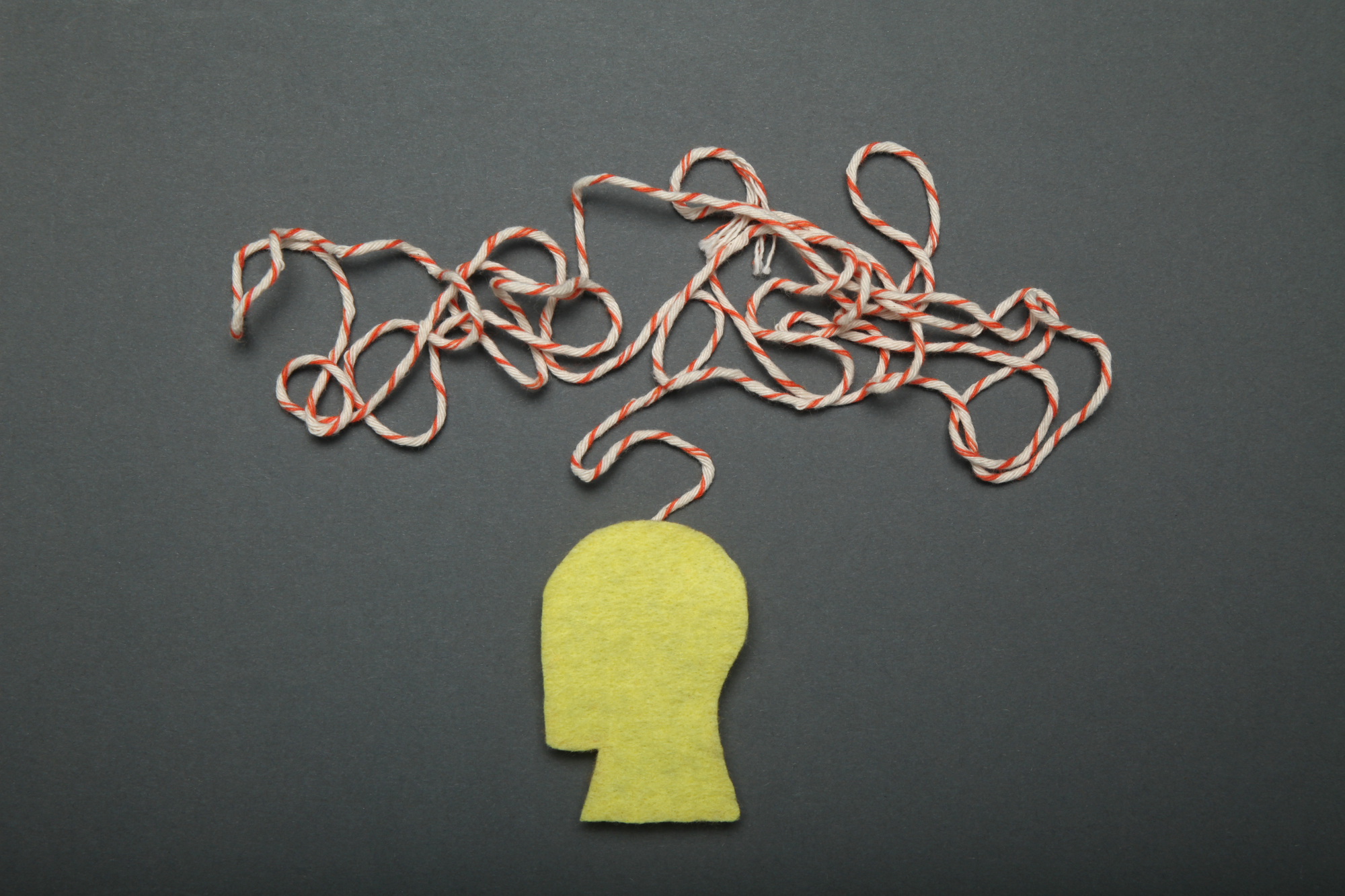
In Part I, I offered a reasonable definition of critical thinking. If we accept this as a good starting place, we can proceed to the next question I asked: why should we want to develop the ability to think this way in the first place?
We can take a page out of Aristotle’s book (specifically this one), and assume the value will be intrinsic, instrumental, or both. If the value of critical thinking is intrinsic, then something about this skill is good all on its own, even if it gets us nothing beyond the ability to exercise it. If the value of this skill is instrumental, it is good because of something else that it allows us to do or get. If both, then it is a combination of these two.
I think there is a case to be made for the combination answer: that this skill is good because it helps lead us to other desirable ends, and also because, even if it did not, there is something worthy in being able to exercise this human skill (perhaps it is aesthetically valuable). However, I will primarily focus on explaining what I take to be some of the most compelling, instrumentally valuable elements of knowing how to analyze, conceptualize, and problematize using the power of one’s own mind.
Doing the Right Thing
As I have been investigating this skill, I have continually named it as critical thought, though we could also call it by another name: rationality. I will not pick apart the differences between these two here, as I am assuming there is enough overlap between them to make the point.
Immanuel Kant asked a similar question in his famous work, The Groundwork of the Metaphysics of Morals. He wanted to know what, if anything, rationality was for. He points out that it could be for ensuring our survival, though it is clear that plants and many animals survive just fine without it, so this is unlikely to be exclusively for this purpose. He also suggests that it could be used in service of providing us with a happy life, but this he also dismisses. He argues that many of us might actually be happier if we were slightly less rational; he may be onto something here, though I will try to offer some reasons why critical thinking may be useful for this as well. In the end, Kant decides the ultimate function of rationality is to discern right from wrong; i.e., rationality is for morality.
If Kant is right about this and the similarities between critical thinking and rational thinking hold, we have our first answer. Developing the skill is, for Kant at least, necessary for knowing right from wrong (indeed, Kant thought rationality and moral action were identical). Whether it actually makes us act rightly is another question, but if you have even the slightest inclination to do the right thing, then you should want to practice careful, critical thinking.
Living a Good Life
Many of us want things out of life. We want to live a good life, a happy life, a fulfilled life. We want to pursue a large variety of ends: we want careers, we want to secure a pleasant retirement, we want to have romantic partners, build families, have friends, pursue pleasant and interesting activities, help others, fight for what is right, and ultimately live out some version of the good life.
Unfortunately, none of this is given to us. We must exert effort in our lives to create this reality for ourselves. A good life doesn’t just happen; one must cultivate it. This is a long-standing realization within the philosophical community, and we have been trying to figure out just how to do so since we started writing our thoughts down. One thing that many of us hope is that the careful cultivation of our cognitive capacities may be helpful toward achieving a good life.
To see clearly where the skill of careful thought may be of use in living a good life, we can imagine the opposite case: someone who does not exercise this capacity. The quintessentially thoughtless person lets the world decide for them, perhaps their parents, their friends, or their society. So, they engage in recreation that others have decided is fun, they get a degree that others decided was right for them, they get a job in a field that others decided would be lucrative or fulfilling for them, they vote for politicians that others have praised, they support causes that others have set up as worth fighting for, and in general, they do not stop to ask what they think about all of these choices. This person may find themselves very quickly in the middle of a midlife crisis and they may ask themselves, “well, how did I get here?”
This is not to undermine the importance of social and communal life; there is great value in liking what others like and making choices that are prosocial. Rather, it is to point out that the risk of thoughtlessness is the risk of losing one’s sense of agency and the ability to engage meaningfully in the cultivation of one’s own life.
Being an Informed Citizen
Without getting into the why of it all, we can take as a given that all of us are born into and must navigate political society. Here is where the skill of analytical and critical thinking can be seen as worth developing for oneself.
As I have argued elsewhere, most political ideologies must confront the question of violence. While it is true that a great deal of our sociopolitical life is mundane — filling out forms, standing in line, paying taxes — it rests on a delicate and risky foundation because political power entails the power to control others with coercion. Even the most moderately informed person knows that the history of the world is filled with serious stakes, and it requires a massive collective effort to create conditions of peace and justice.
Enter the skill we have been analyzing. In order to know what kind of society you are in — is it a just or unjust society, and what should be done about it either way? — you need to be able to think for yourself. So, we can return now to our imaginary opponent from part I, the AI extremist, who asks us to let go of the hard work of critical analysis. Why should we hold on to this ancient human art form when the bots are now able to produce analytical and critical analysis for us? Why can we not just ask the bots, for instance, “Is my society just?”
In order to understand why we would never want to let go of this skill, we need to acknowledge that justice exists on a spectrum. No society is perfectly just and even if one could imagine maximizing justice in one’s social order, human fallibility all but ensures that justice will fluctuate. Justice is ultimately an ongoing, never ending project.
Acknowledging the imperfect nature of human societies implies something else, namely that the systems we create and deploy will also fluctuate on the spectrum of justice. AI systems are particularly susceptible to these fluctuations for a few reasons: (1) they are being integrated into information systems used by billions of people, (2) they are being integrated into various levels of society’s basic structure and government, and (3) we so far do not have a way to perfectly prevent AI from lying, making mistakes, being manipulated, or going rogue.
With these points in mind, we can ask whether it is prudent to give up our rational powers and defer to the answers and reasons offered by an AI system. If you ask the AI “Is our society just?” and it says yes, you can also ask it why it thinks so. It may offer a seemingly sophisticated set of justifications that might satisfy you and these justifications may even be good ones. But, given the fragility of justice, without a way for you to personally assess the answers and reasons given by an AI system you are vulnerable to a serious political threat. Alan Moore articulates this problem well in Watchmen with the graffitied protest slogan “Who watches the Watchmen?”
On the matter of being an informed citizen, it is only in the most utopic society where one might even consider abandoning the power of their mind. But in most of the realities we can imagine, this skill is of the utmost importance if one values things like truth, freedom, and justice.
While this list of reasons is also incomplete, we now have a partial answer to our second question and we can more confidently say why we must hold fast against any forces that threaten to take this most human of skills away from us, lest we fall into an inhuman slumber.