When Is It Wrong to Be a Fan?


 SHARE
SHARE
In times like these, it’s good to be a fan. Our favorite fantastical worlds can provide an escape from the many crises that surround us. But they can also provide answers. Tales of hope, heroism, and – most importantly – kindness, can give us the inspiration we need to respond to the overt acts of cruelty we read about in the news each day. But even so, might there be times when it’s wrong to be a fan?
In a recent series of Middle School Ethics Olympiads, I had the privilege of hearing students’ opinions on whether we can still enjoy artworks created by morally problematic artists. For the most part, this question was met with a resounding “yes.” And that sort of makes sense. Whatever determines the aesthetic value of an artwork, it seems minimally dictated by the moral status of its creator. Put another way, a beautiful painting will still be beautiful, even if created by someone who has engaged in repugnant behavior. And it’s hard to see how it might be morally wrong of us to still appreciate this aesthetic value.
Perhaps a trickier question, then, is whether or not it’s morally permissible for us to patronize such artists. Many artworks cost money to enjoy. We have to pay to read a book or to watch a movie (assuming, of course, we’re doing so legally). Engaging with art in this way takes things a step further: we move beyond mere aesthetic appreciation of the artwork and instead provide financial support for the artist. Is it wrong for us to provide this support for an artist who has engaged in morally questionable behavior? And what about cases where our money will be used by the artist to do even more harm?
This consideration bears some similarity to the moral obligation to engage in “divestment” – that is, to withdraw our investments from corporations and other organizations actively engaged in causing harm. This is the kind of reasoning behind New York City’s ongoing attempts to divest their pension fund from the coal, oil, and gas industry – since remaining invested in those industries arguably contributes to the worsening climate crisis. A similar argument for divestment might be made in cases where our money is invested in perpetuating other environmental harms, or – say – supporting an unjust war. At the end of the day, these arguments are built on one general principle: money makes the world go round, and where we invest our money matters.
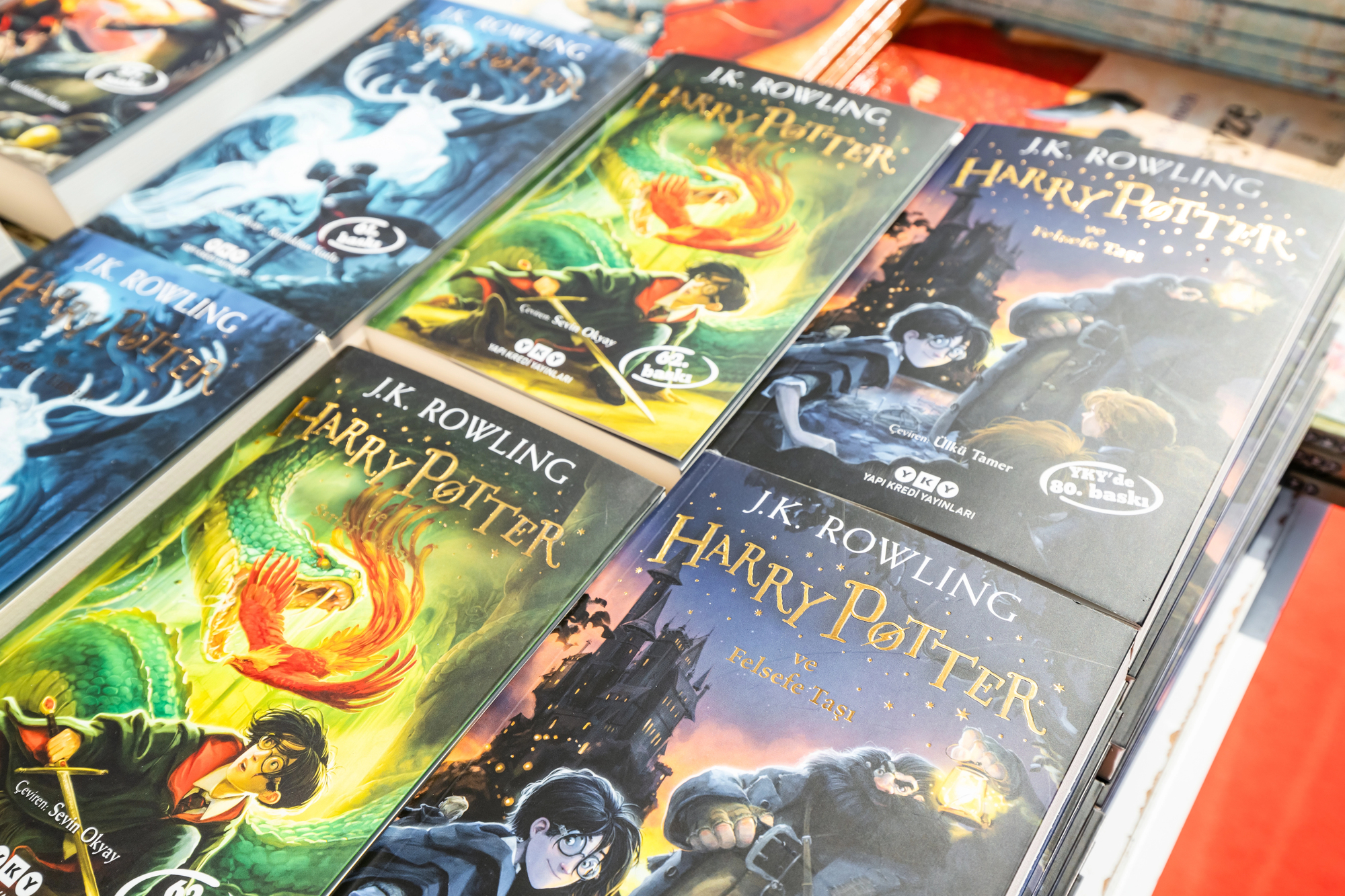
Might something similar be true in the realm of art? Consider J. K. Rowling – author of the best-selling book series of all time. Beloved by fans, Rowling has – in more recent years – gained infamy for her position on transgender rights: specifically, her expression of allegedly transphobic views and her opposition of Scotland’s Gender Recognition Reform Bill. Assuming that her views are morally problematic, can fans still enjoy her creations? Does it remain morally permissible for someone to sit down and watch a Harry Potter movie marathon, or reread their favorite novel in the series? According to those middle school students I spoke to, the answer, again, is “yes.” Whatever makes Rowling’s works aesthetically valuable, that value remains in spite of her controversial views. The books are no less well-crafted, nor the movies any less enthralling.
What’s more controversial is whether or not we can morally justify providing Rowling with financial support. This is made all the more complicated by her establishment of the JK Rowling Women’s Fund (JKRWF) in 2024. The JKRWF is a private fund, financed exclusively by Rowling’s personal wealth of approximately $1.2 billion – the majority of which owes its existence to the astronomical success of the Harry Potter franchise. The purpose of the fund is singular: to (as the official website describes it) offer “legal funding support to individuals and organizations fighting to retain women’s sex-based rights in the workplace, in public life, and in protected female spaces.” Ultimately, the JKRWF is positioned to engage in anti-trans activism – and has already been responsible for an $89,000 donation to the organization whose legal challenge resulted in the UK Supreme Court ruling that the legal definition of a woman is determined by biological sex.
A decision to fund Rowling, then, is a decision to fund the JKRWF. With the purchase of every Harry Potter novel, or movie ticket, or licensed LEGO set, a contribution is made to Rowling’s wealth – a contribution that may be used to engage in anti-trans advocacy. To be clear, a fan might still read the books they already own, and rewatch the DVDs they purchased long ago – but any new contribution to Rowling’s wealth will be difficult to justify. Put simply: if someone disagrees with the mission of the JKRWF – that is, if they believe in trans rights – then it’s hard to see how they can consistently maintain their moral position while continuing to patronize Rowling’s work.